Products you buy through our links may earn us a commission. Oh, and if something's out of stock, oops, it was there (and all prices were accurate) at time of publication.
Do Face Ice Baths Work?
Yes, but only for a little while. Cold water constricts the blood vessels beneath your skin, which can briefly reduce swelling and redness for some people. So an ice face bath can temporarily make your face look less puffy and more awake. What it won't do: permanently tighten skin, shrink your pores, clear acne, erase wrinkles for good, or replace a dermatologist-approved routine. Once your skin warms back up, most of the effect fades, which is exactly why the results don't last.
It’s fair to say that the idea of dunking our faces in a bowl of freezing-cold ice water sounds less than appealing. And yet, ice baths for your face have gone viral on TikTok, and A-listers, like Kylie Jenner, swear by them for the sake of their skin. The promise is simple: A face ice bath may temporarily depuss your skin, minimize shine, and make you look more awake. Clearly, if so many people are willing to put up with the cringe-inducing discomfort of submerging your face in ice, there’s gotta be something to it, right?
To find out if the practice is truly worth the pain, I treated my face to a polar plunge every morning for a week. Scroll on to see if it was worth the brain freeze, and shop a few products that provide a similar effect (without the dunking).
Experts in This Article
Geeta Yadav, MD – board-certified dermatologist and founder of Facet Dermatology
Sheel Desai Solomon, MD – North Carolina-based board-certified dermatologist
Ivy Lee, MD – board-certified dermatologist in California
What Is a Face Ice Bath?
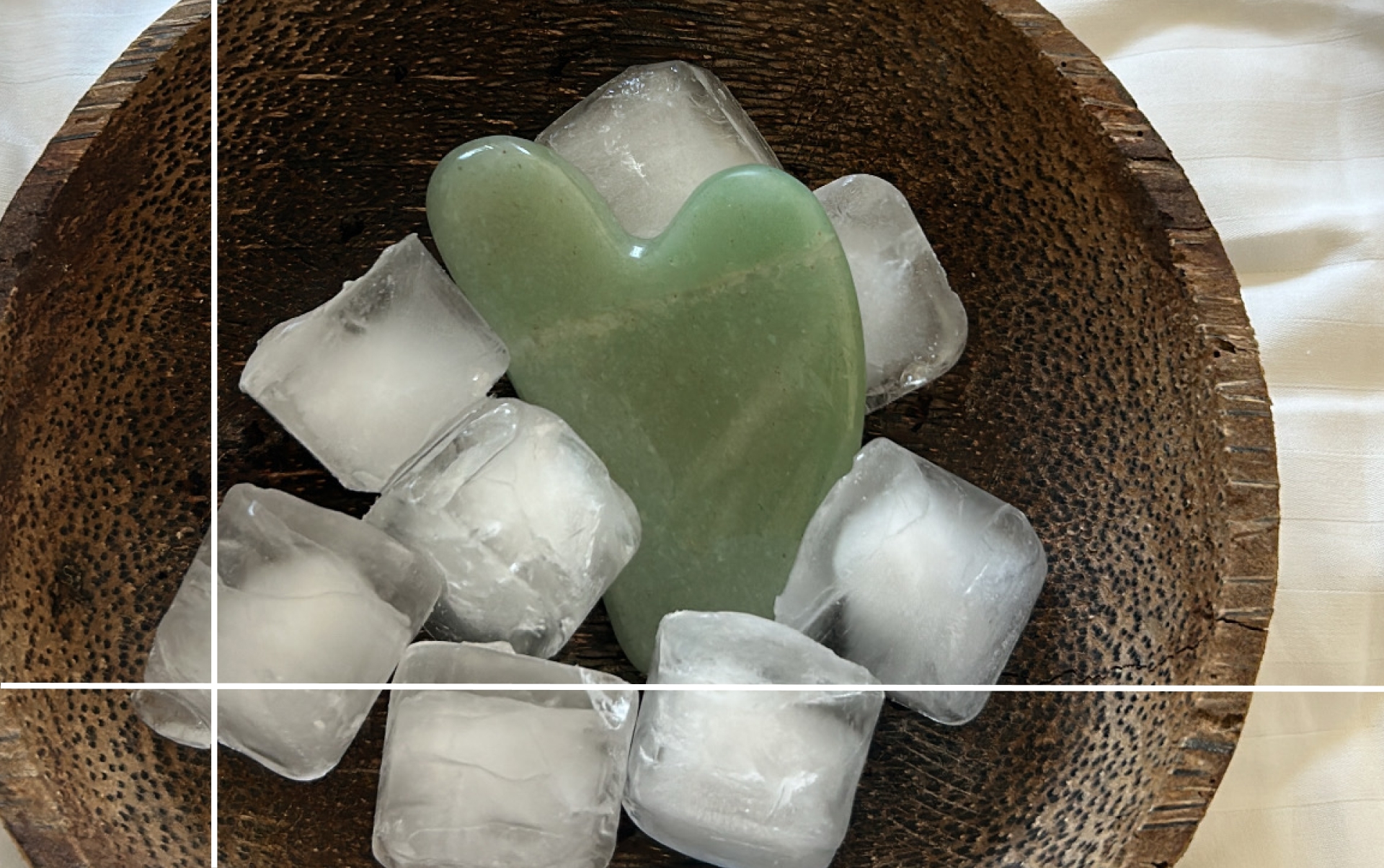
It’s as simple as it sounds to give yourself an ice-water facial: Fill a bowl with water and ice, then submerge your full face in it for 20 to 30 seconds. Some people call it an ice bath for the face, an ice face bath, or an ice-water face bath, but the basic idea is the same — brief cold exposure for a temporary refreshed look.
Though the method is going viral, it certainly isn’t new. “Full-body cold plunges go back many centuries,” says Geeta Yadav, MD, a board-certified dermatologist and founder of Facet Dermatology. You can trace its roots to ancient Greeks and Egyptians who used cool-water submersion to ease minor health irritation. Flash forward to the present, and Yadav says, “facial plunges in ice water are a natural progression.” You don't need anything fancy to try one — a clean bowl, cold water, and a small amount of ice will do.
Face Ice Bath Benefits
The main face ice bath benefits are temporary depuffing, a more refreshed appearance, and short-term redness reduction for some people. While ice isn't here to replace a hydrafacial or Botox, ice baths and cold treatments have their own health benefits that make the practice worth the initial shiver. For example, “cold plunges reduce inflammation while energizing the skin,” Yadav says. “Relieving that inflammation can help temporarily reduce redness or tenderness in blemishes and rosacea-prone skin.”
So what does ice do to your face? When your skin interacts with super-cold temperatures, it causes the blood vessels beneath its surface to constrict. This restricts blood flow to that area, which can decrease redness, swelling, and puffiness. Cold can also support the look of lymphatic drainage around the eyes, which is part of why a quick dunk can make a tired face look more awake.
One honest caveat: A face ice bath is a cosmetic pick-me-up, not a skin treatment. It may make skin feel tighter for a few minutes, but it doesn't structurally firm anything. And while a cold splash can feel calming in the moment, that's not the same as treating inflammation across the board — or treating anxiety. Research does suggest it may help dial down stress in the moment, but it's not a treatment for an anxiety disorder.
There are some noncosmetic benefits as well. Cold water on the face triggers what scientists call the diving reflex, a quick nervous-system shift that slows your heart rate and can take the edge off a stressful moment. (It's the same principle behind a common emotion management technique, though a splash of cold water is a reset button, not a substitute for actual mental healthcare.) And the obvious one: When you're dragging in the AM, cold water can jolt you into the day.
How Long Should You Do a Face Ice Bath?
Keep it short. Start with 10 to 15 seconds per dip, come up for air, and repeat no more than a few times times. For beginners, that's roughly 30 to 60 seconds of total face-in-the-bowl time. Don't exceed one to two minutes total, even if you tolerate cold well, and stop immediately if your skin feels painful, numb, burning, blotchy, or unusually red. Longer is not better here. More time mostly raises your odds of irritation or, in extreme cases, a cold burn.
How To Do a Face Ice Bath Safely
A face ice bath is low-tech, but a few steps keep it clean and comfortable:
Wash your face first. Remove makeup, sunscreen, sweat, and cleanser residue before dunking so none of it ends up in the bowl.
Sanitize your bowl. Use a freshly washed mixing bowl, facial basin, or clean container — not whatever's sitting in the sink.
Fill the bowl about three-quarters full with clean, cold water and a small amount of ice.
Take a breath and dip your face for 10 to 15 seconds.
Come up for air and rest for several seconds.
Repeat up to two or three times, only if your skin feels comfortable.
Pat dry with a clean towel. Do not rub.
Follow with moisturizer, and use SPF if it's daytime.
Dump the water and clean the bowl after each use. Stagnant water and dirty containers are an easy way to introduce bacteria to your skin.
Should You Do a Face Ice Bath in the Morning or at Night?
Morning is usually the sweet spot if your goal is to depuff, wake up, or prep skin before makeup. A quick dunk can smooth things out so foundation sits more evenly, which is part of why face icing has become a model-skincare staple. Before bed may wake you up too much. And note: A face ice bath shouldn't replace face wash, moisturizer, retinoids, acne care, or other treatment products. Skip it right after strong exfoliants, retinoids, peels, waxes, or in-office procedures, and only ice post-workout if your skin isn't already irritated.
Do You Need a Face Ice Bath Bowl?
No, you don’t need a special face ice bath bowl. A clean mixing bowl works perfectly well. Collapsible silicone basins and dedicated face ice bath bowls exist, and they can make for easier storage, as well as a neater, more comfortable process, but cleanliness matters far more than the gadget. Whatever you use, don't share it, don't reuse stagnant water, and steer clear of gimmicky tools that nudge you toward longer-than-necessary dunks.
Who Should Skip a Face Ice Bath?
Face ice baths are not a good idea for everyone. Skip them — or check with a dermatologist first — if you have very sensitive skin, rosacea, broken capillaries, cold-triggered hives, open sores, or recently treated skin.
Rosacea
Cold may temporarily mute visible redness for some people, but extreme temperature changes can also trigger flushing. If you have rosacea, reach for a cool compress instead of plunging your face into ice water.
Broken Capillaries or Thin Skin
If you have visible broken capillaries, fragile vessels, or very thin skin, avoid extreme cold and repeated temperature swings, which can make matters worse.
Eczema, Sensitive Skin, or a Damaged Skin Barrier
Skip it if your skin is cracked, raw, peeling, burning, or actively irritated. (Sensitive skin needs gentler handling than a cold plunge offers.)
Acne With Open or Irritated Blemishes
Don't dip open blemishes or broken skin into a bowl of water. Use a wet, clean compress for relief instead.
Recent Procedures
Hold off after lasers, peels, microneedling, waxes, strong retinoids, or exfoliating acids unless a clinician says it's safe.
Cold Urticaria or Cold Sensitivity
If cold exposure gives you hives, swelling, dizziness, or any unusual reaction, this trend isn't for you.
What Not to Do When Icing Your Face
Don't press bare ice directly on your skin for long stretches as it can cause a cold burn.
Never use dry ice.
Don't dunk for minutes at a time.
Don't add lemon juice, essential oils, or fragrance to the bowl.
Don't use dirty tools or an unwashed bowl.
Don't submerge broken skin, open blemishes, or irritated skin.
Stop if your skin burns, aches, goes numb, or turns patchy.
And don't use a face ice bath as a substitute for acne treatment, rosacea care, migraine relief, or anxiety care.
Alternatives to a Face Ice Bath
If a cold start to your day doesn't sound appealing to you, don't worry, you can still get that lifted, luminous look without the dunk. "If you're not into the idea of plunging your face into an icy bowl of water, using tools like ice rollers and chilled face globes will accomplish the same effects," says Yadav. "You can also refrigerate sheet masks to achieve similar results, albeit on a smaller scale." None of these are necessarily downgrades — for a lot of people they're better, because they're cleaner, easier to control, and less likely to irritate skin:
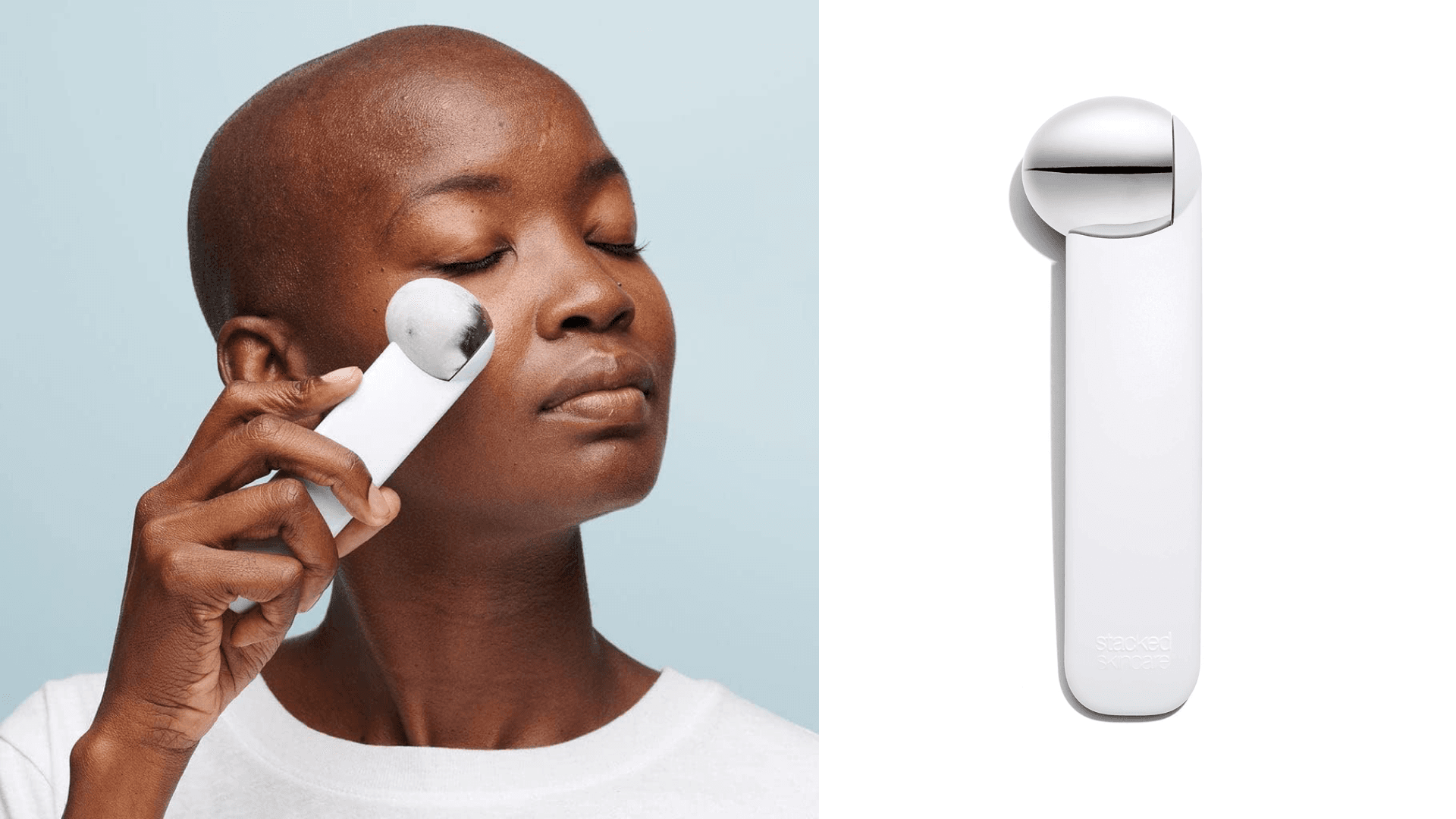
StackedSkincare Ice Roller $70
Store this hardworking tool in your freezer for a cool-to-the-touch roller. The egg- shaped, stainless steel roller stays cold for a long time, thanks to the long handle. Run it under your eyes to banish bags or along your forehead to temporarily relieve headaches.
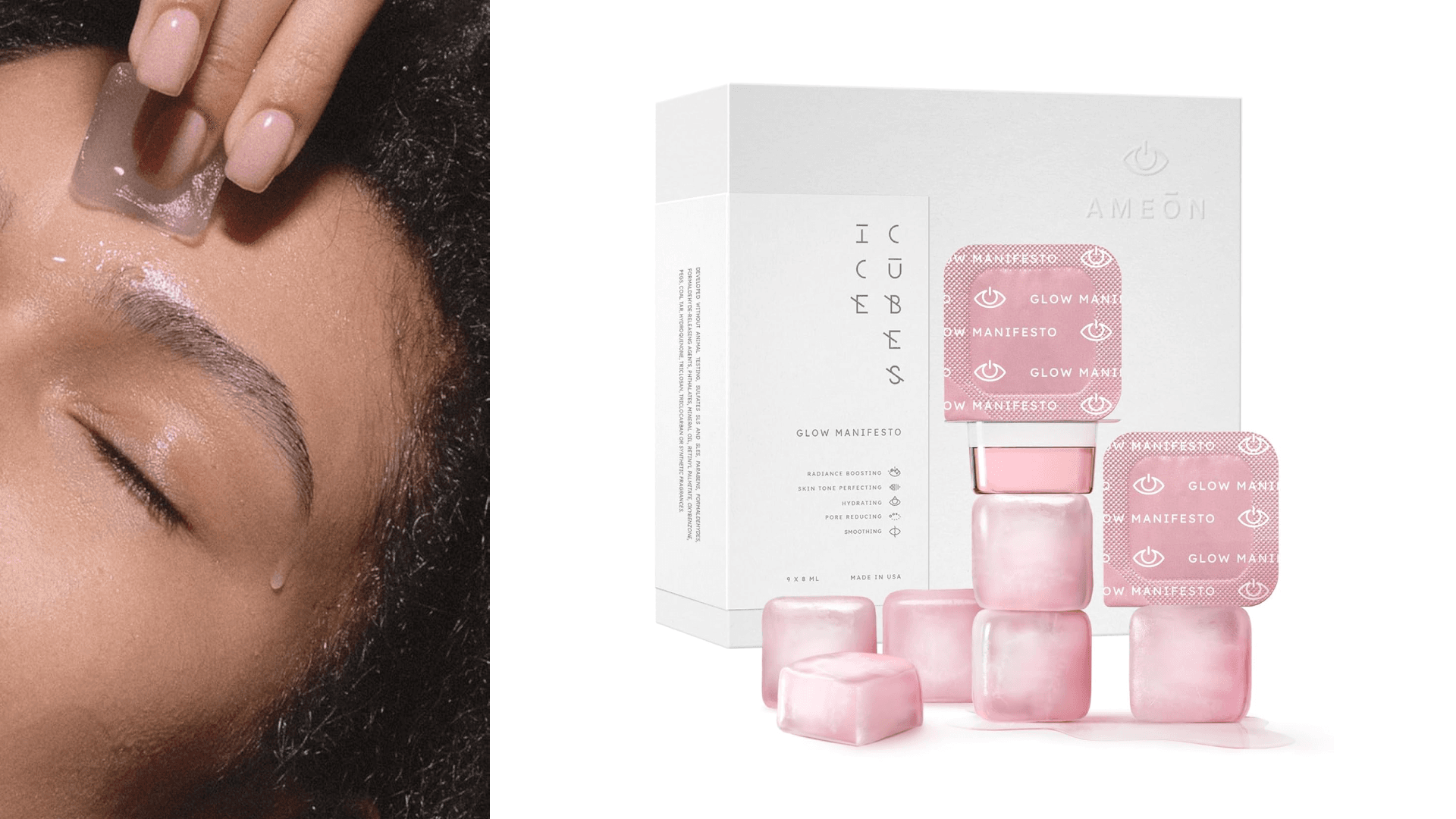
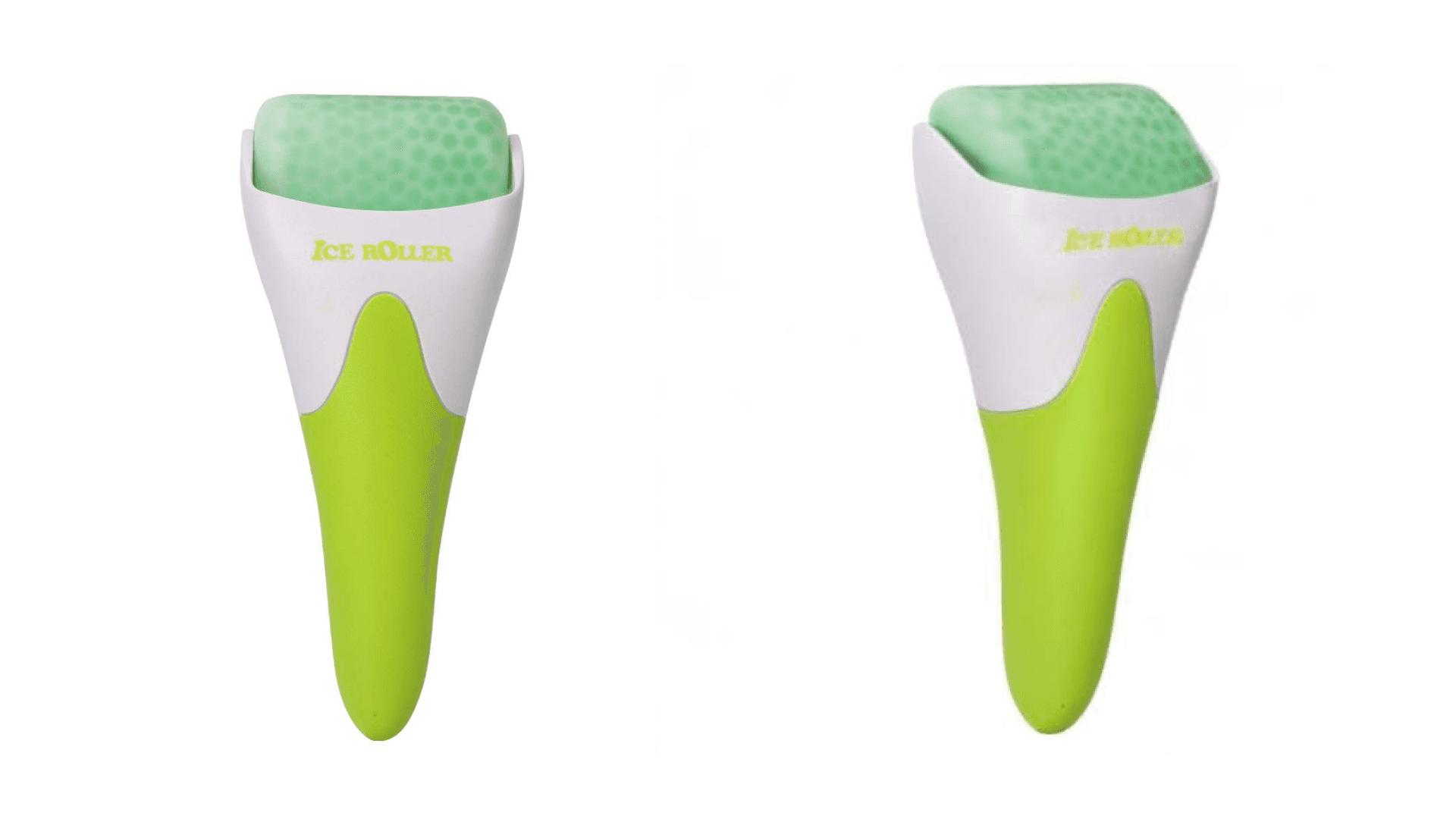
Esarora Ice Roller $19
This roller contains gel that freezes (like an ice pack) and stays cold while you roll the wand across your face and neck. Plus, because it's not regular ice you don't need to worry about water dripping down your face or arm. It's also available in a variety of colors.
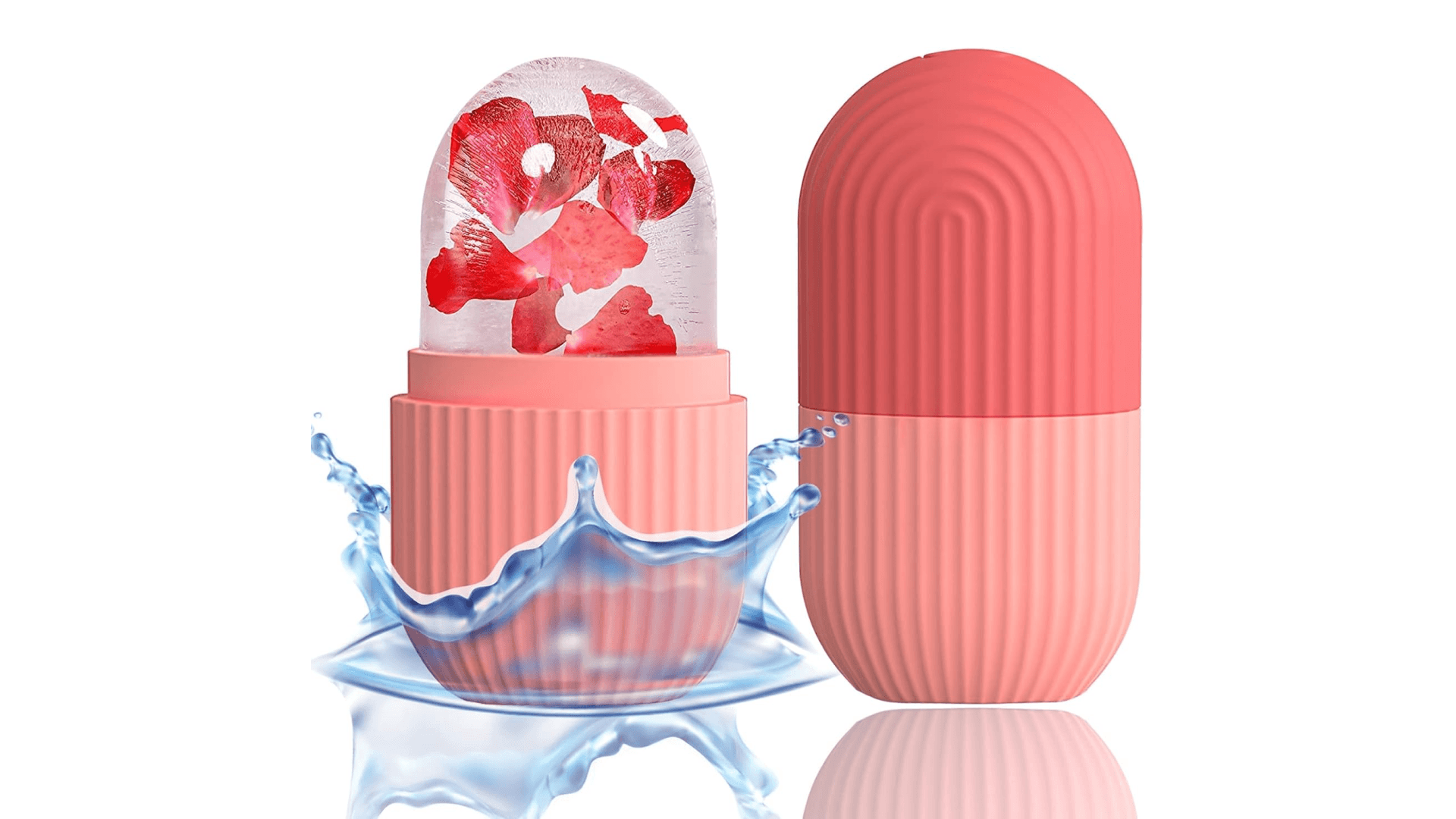
Xhjri Ice Cube Roller $6
This option is super affordable and ideal for anyone who doesn't want to worry about cleaning a tool quite as frequently because the roller is essentially a giant ice cube mold that you refill after every use. Pour water in from the top, leave it in the fridge, then glide the ice over your face. It's that easy.

ESW Beauty Plant-Based Milk Sheet Mask $5
Blueberries contain important antioxidants and coconut milk promotes collagen production. Follow Dr. Yadav’s advice and stick this in your fridge for an extra cooling sensation upon application.Blueberries contain important antioxidants and coconut milk promotes collagen production. Follow Dr. Yadav’s advice and stick this in your fridge for an extra cooling sensation upon application.
Face Ice Bath vs. Ice Roller vs. Gua Sha
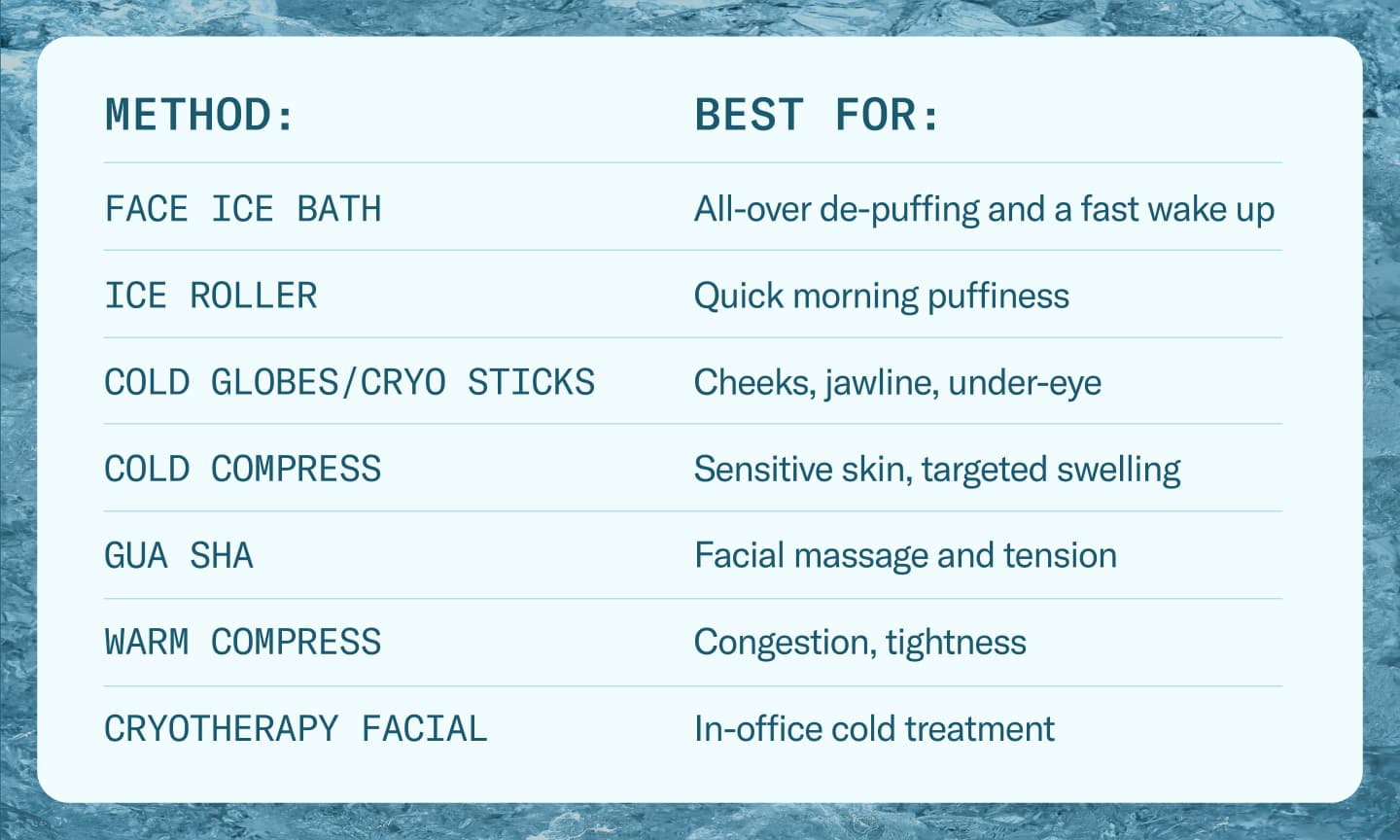
Of the three, a face ice bath is the most dramatic DIY option, but it isn't always the best one. Ice rollers, cold globes, and cool compresses are easier to control and could be gentler on sensitive skin, while gua sha works differently — it relies on massage and pressure to depuff skin, not cold. Here's how the most popular face-cooling methods are often used.
Can a Face Ice Bath Help Acne, Puffiness, Pores, or Anxiety?
Here's the hype-versus-reality breakdown:
Puffiness
Yes, but only temporarily. This is the strongest cosmetic-use case, especially for puffy eyes, cheeks, and jawlines.
Acne
It may temporarily reduce the look of swelling around an inflamed pimple, but it does not treat acne. Putting ice on pimples can help calm some of the inflammation associated with them, which will make them look less visible on your skin. “Cold water helps give your face vitality and more color. It also enhances the brightness of your skin by getting the circulation going and literally waking up your skin,” says board-certified dermatologist Sheel Desai Solomon, MD. Just don't dunk open or irritated blemishes
Pores
Cold can cause the skin around the pore to contract, making it look smaller. The catch: Cold temps can make pores look temporarily tighter, but they can't close them permanently.
Skin Tightening
Skin may feel tighter for a few minutes, but a face ice bath doesn't structurally firm skin or stand in for treatments that support collagen production.
Anxiety, Vagus Nerve, and Cortisol
Cold water may temporarily make some people feel more calm or alert — it can reduce symptoms of anxiousness in the moment, such as a racing heart or feeling overwhelmed, much like certain facial massage techniques or icing your vagus nerve. But it offers temporary symptom relief; it’s not a treatment. A face ice bath shouldn't be framed as a fix for anxiety, cortisol levels, or any mental health condition.
Can a Face Ice Bath Help a Hangover Face or Headache?
A face ice bath may make a puffy, tired, hungover-looking face appear temporarily more awake, and a cold compress can feel soothing for a run-of-the-mill headache. What it isn't: a treatment for migraines, sinus infections, or hangovers. If your headaches are severe, recurring, or new, that's a conversation for a doctor
How Often Can You Do a Face Ice Bath?
So far, there is no research against ice baths for your face every day, says Ivy Lee, MD, a board-certified dermatologist in California. Just make sure you’re not submerging your face for more than 30 seconds or so. That said, daily isn't necessary.
If your skin tolerates cold well, a few times a week is plenty. You can opt to do a face ice bath in the morning or at night, but note that it may give you a jolt that’s better suited for when you wake up rather than before bed. If your skin is sensitive, dry, rosacea-prone, acne-prone, or reactive, consider a a cool compress or ask your dermatologist about a chilled tool instead. However, if you notice prolonged redness, especially if you have conditions like rosacea, it might be time to pump the brakes.
What Will Happen to My Face If I Do Ice Facials for a Week?
Before I started giving myself ice-water facials, my skin was in a post-travel slump. I was coming off a three-week stint in Europe that involved minimal sleep and too much time on airplanes. As a result, my face was puffier than usual, which meant I would really get to see whether or not a week’s worth of cold face plunges would make a difference.
Each morning, I filled a bowl with ice water and dunked my face into it for 30 seconds straight. The first couple of days, it took me multiple tries to keep my face submerged for that long, but by day three, I got the hang of it. One thing I didn’t get used to, even after a week? The shock your system receives when you stick your face in an ice bath moments after you wake up. I’m not naturally a morning person, and this was quite a way to start the day.
Though I never looked forward to my morning dip, I did look forward to the way my skin appeared afterward. My cheeks seemed noticeably less puffy, and the swelling around my eyes and chin diminished. Beyond that, my skin tone looked visibly smoother and more even, so much so that I decided to skip complexion products a few times over the course of the experiment. See ya, concealer (at least for now).
Overall, I loved the way my skin looked after a week’s worth of at-home ice baths… but not enough that I plan to make it a part of my everyday routine. The process is more work than it’s worth, and the rate it requires me to refill my ice trays simply isn’t sustainable for my lifestyle (plus, dumping out the excess post-facial water weighed on my conscience every time).
Face Ice Bath FAQs
Do face ice baths work?
Yes, but temporarily. They can reduce puffiness and make skin look more awake, but they don't permanently tighten skin or treat skin conditions.
What are the benefits of a face ice bath?
The main benefits are temporary depuffing, a refreshed look, and short-term redness reduction for some people.
How long should you do a face ice bath?
Start with 10 to 15 seconds per dip. Repeat no more than a few times and keep total exposure short.
Should I wash my face before an ice bath?
Yes. Wash your face first so makeup, sunscreen, sweat, and bacteria don't end up in the bowl.
What should I do after a face ice bath?
Pat dry with a clean towel, then apply moisturizer. Use SPF if it's daytime.
Is a face ice bath good for your skin?
It can be fine occasionally for some people, but it's not necessary and isn't ideal for sensitive, rosacea-prone, or broken skin.
Can you do a face ice bath every day?
Some people may tolerate brief daily cooling, but it isn't necessary. Sensitive skin types should avoid making it a daily habit.
Is a face ice bath good for acne?
Not as a treatment. It may temporarily reduce swelling around a blemish, but it doesn't treat acne and shouldn't be used on open or irritated skin.
Can a face ice bath help with anxiety?
Cold water may temporarily make you feel more calm or alert, but it's not a treatment for anxiety disorders.
Should you do a face ice bath in the morning or at night?
Morning is usually better if the goal is to reduce puffiness, wake up, or prep skin before makeup.
Do you need a face ice bath bowl?
No. A clean mixing bowl works. A dedicated bowl for face ice baths may make the process neater, but it's optional.