Good morning.
If you’re like me and in World Cup withdrawal, here’s a soundtrack that could help. It was a thrilling final yesterday with Spain defeating Argentina 1-0 in extra time. But, as with any great championship, it wasn’t just about the score. Lamine Yamal’s little brother, Keyne, celebrated the way we all wish we could. President Donald Trump seemed to overstay his welcome after awarding the trophy. And would it even be a World Cup without Shakira? Her choice of footwear was everything. In a reminder that soccer isn’t the only sport worth cheering for, the Tartan Army has something new to celebrate: Scottish runner Josh Kerr just did what no one had managed in 27 years, breaking the world record in the mile. And no, his time isn’t a typo. Now, let’s get to the news…
— Marina Carver / Senior Editor / Brooklyn, NY

Low Fuel
Filling Up Is Getting Painful Again
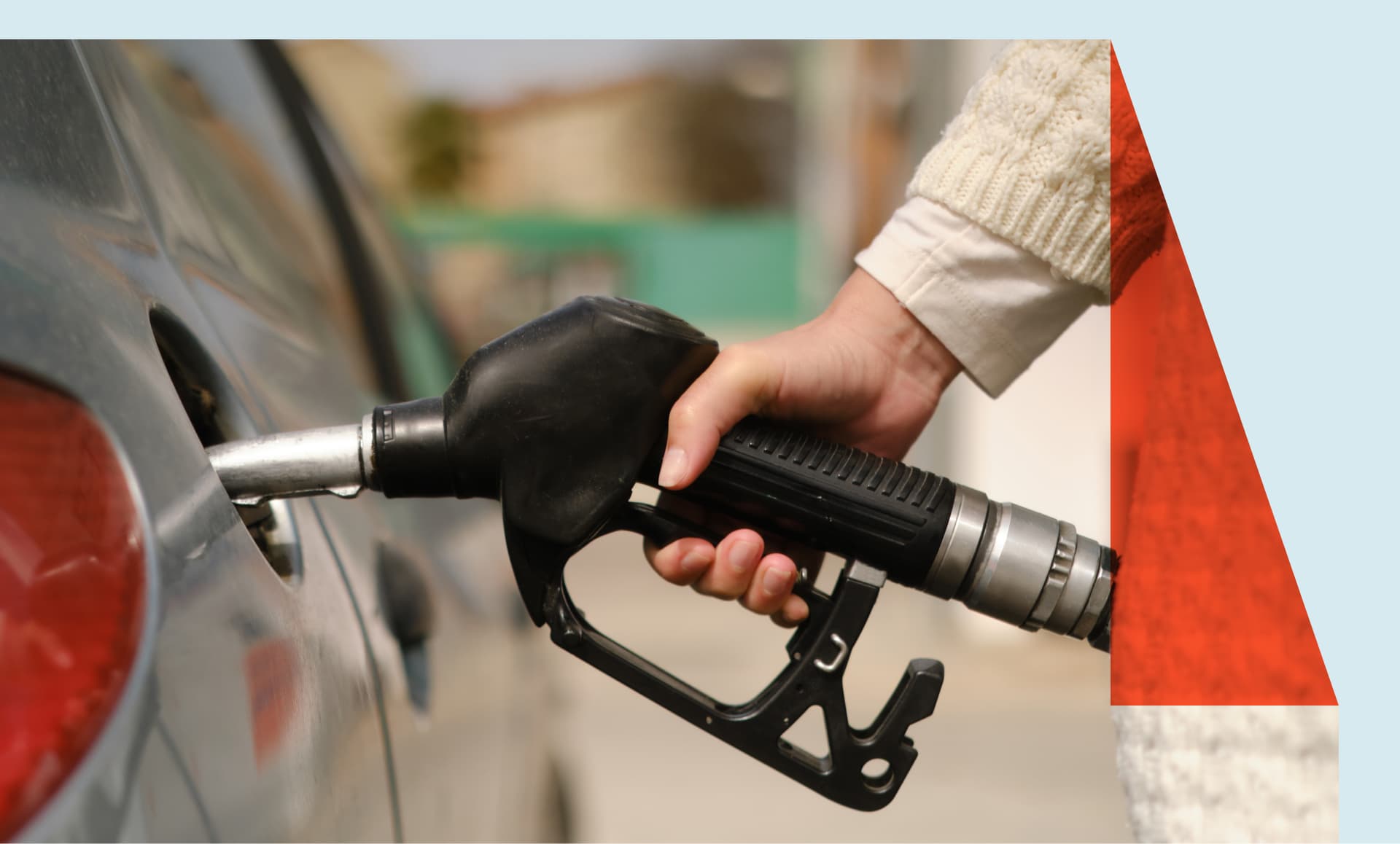
What’s going on: So much for catching a break at the pump. After a brief dip earlier this month, gas prices are averaging about $4 a gallon due to renewed fighting between the US and Iran (which claimed the lives of three US servicemembers over the weekend). While there are still plenty of crude oil reserves underground, turning that into usable gasoline is a complex process made even more complicated by war. Refineries have been knocked offline, fuel inventories are low, and Iranian control over the Strait of Hormuz continues to hold up global distribution. It doesn’t help that new federal biofuel requirements make gasoline production in the US more expensive. Even if the war ends tomorrow, experts say it’ll take months for the supply chain to get back on track.
A temp check: When fuel prices go up, so does the price of everything else. Your groceries, your diaper order, that must-have cotton sundress –– all of it needs to be shipped around. And, like tariffs, any added cost is typically passed on to the consumer. Gas prices are one of the most visible (and painful) indicators of how the economy’s doing, and right now 67% of American households are feeling the strain. It doesn’t bode well for the White House, either. Research shows that approval ratings tend to fall when gas prices go up, regardless of why it happens –– though in this case, President Donald Trump has played a pretty major role. Despite Trump’s promises of lower gas prices, there’s little control he or anyone else has over the global oil supply chain… with just three months to go until the midterms.
Related: Gas Station Price Battles Are More Sinister in the AI Era (Forbes)
The News in 5
🗞️ The Tate brothers were arrested in Miami and await UK extradition for alleged sexual offenses involving seven reported victims.
🗞️ According to internal memos, the FBI no longer plans to investigate confrontations involving ICE, though the Departments of Justice and Homeland Security disputed that in a joint statement.
🗞️ The FDA just approved a new pill that works differently — and more effectively — to cut down “bad” cholesterol levels.
🗞️ The Justice Department is hitting the brakes on investigating and prosecuting companies whose senior employees break the law.
🗞️ It’s been 150 years since a sitting vice president welcomed a baby, but Vice President JD Vance and Second Lady Usha Vance’s newborn just snapped the streak.
In Our Rotation
Lash and brow results you can see across the room. Spoiler: the secret is this award-winning serum duo. Psst…save 30% with code THESKIMM30.*
Weight loss shouldn’t feel like a rollercoaster. This program pairs GLP-1s with habits built to last so the weight stays off. Take the quiz to see if you qualify.*
App to No Good
Boys, Interrupted
What's going on: We know from doomscrolling before bed that social media isn’t great for the attention span. Now, we have this new study, which finds that young boys who show signs of addictive social media use are more likely to develop ADHD down the road. Researchers didn’t find that the same is true for girls (though there are plenty of other online dangers for them). Signs of social media addiction are pretty similar to those of substance abuse: distress when someone restricts access, failed attempts to cut back, and disruptions to sleep, schoolwork, and relationships. One important caveat: social media addiction doesn’t cause ADHD, but the data indicates a connection worth paying attention to — especially for brains still under construction.
About that screen time panic: Many researchers believe screen time is a scourge on adolescent brain development, but the science of how and why is still being established. What we know so far isn’t great. In addition to this study, we also have new research linking adolescent social media addiction with suicidal ideation, while another recent study suggests that age 12 is an especially fragile time for kids to get their own smartphone (no matter their gender). And, we’re about to learn a lot more. The National Institutes of Health has been tracking nearly 12,000 children for years, gathering longitudinal data not seen elsewhere on how today’s kids are developing. For now, researchers say it's not just about limiting screen time, but paying attention to how kids are spending that time. There's a big difference between a puzzle game and disappearing into TikTok. Here are some strategies.
Related: What the World Could Learn from Australia’s Social Media Law (Time)
Bio, Hacked
Your Body, the Group Experiment
Testing, testing: There’s The Care & Keeping of You, and then there’s entrepreneur Kate Tolo. She just launched a viral, projected $2.6 million-per-year experiment to publicly map her bodily changes throughout her menstrual cycle, according to The Wall Street Journal. Her project involves daily hormone tracking and frequent blood, stool, spit, and vaginal blood-flow tests (and we can barely get ourselves to floss daily). Tolo — who has endometriosis, adenomyosis, and a condition formerly known as PCOS — says the project will not only help her understand herself but also raise awareness of gaps in women’s research. The asterisk: The longevity and wellness company she cofounded will reportedly fund that testing, all while it tries to sell you its products. She also happens to run that business with her boyfriend, Bryan Johnson, the millionaire who’s famous for trying to reverse his biological age to 18.
Making our smartwatch look quaint: Tolo’s protocol is far from achievable for the average woman, and is the most extreme version of something lots of us are already doing: outsourcing our sense of well-being to a device (see: the toilet computer). And the road from tracking to biohacking gets twisty fast, jumping from passively monitoring your sleep to inserting an acrylic device into your vagina every night (like Tolo plans to do). The shift isn’t necessarily healthy — it can prompt health anxiety and data privacy concerns. To cut through all the pressure, some doctors recommend only paying attention to the numbers that help you take useful action, like steps per day or hours slept. And, rather than getting too granular, use wearables to flag any persistent, long-term changes or concerning symptoms to your doctor.
Related: Is the Next Wearable a Temporary Tattoo? (Gizmodo)
Quick Hits
🦟 Mosquitos ruining your summer? Here are five tricks that actually work and four myths we’re swatting down. Citronella… really?!
🥦 Add these 10 foods to your grocery list that dietitians say can support your memory and brain health. Great news: Only two of them are veggies.
🤰🏾 A new pregnant doll comes with some very specific, very slimy “accessories,” and we just want to talk to the product designer.
🌈 If you were one of those kids who was always tempted to eat the crayons with yummy-sounding names, boy, do we have some nostalgic news for you.
🦢 Critics think this cult-fave author –– who’s reportedly friends with Natalie Portman –– wrote a not-so-flattering novel about the A-lister’s life. It's giving Capote’s Swans meets Black Swan.
🦝 Jimothy, a peach-shaped raccoon, is the next Moo Deng, and we love him.
🍦 The inventor of the cronut brings us a new dessert that sounds straight out of the Iowa State Fair.
👀 Gracie Abrams channeled Taylor Swift and made her leading man a co-writer… but these lyrics have us doing a double-take.
On Our Calendar
Monday, July 20
🌛 International Moon Day
Talk about moon joy: This UN-designated holiday honors the 1969 Apollo 11 moon landing. Bake this on-theme dessert to celebrate.
♟️ International Chess Day
Play along with this International Chess Federation challenge to set up a game in an unexpected place. Last year took it to new depths.
Psst…this is just the preview: Subscribe to theSkimm app and never miss a moment.
KNOW IT ALL
Even the most considerate beachgoers have flaws. A new Beach.com study found that 92% admit to at least one bad beach habit. Which offense topped the list?


Still catching up from the weekend? Jumpstart your brain with Flipart. Feel the rush.
All of the reporting featured in today’s Daily Skimm was written, edited, and fact-checked as of 6 am ET.
Skimm'd by: Anna Davies, Marisa Iallonardo, Molly Longman, Aryanna Prasad Bhullar, Kate Preziosi, and Marina Carver. Fact-checked by Sara Tardiff.

Low Fuel
Filling Up Is Getting Painful Again
What’s going on: So much for catching a break at the pump. After a brief dip earlier this month, gas prices are averaging about $4 a gallon due to renewed fighting between the US and Iran (which claimed the lives of three US servicemembers over the weekend). While there are still plenty of crude oil reserves underground, turning that into usable gasoline is a complex process made even more complicated by war. Refineries have been knocked offline, fuel inventories are low, and Iranian control over the Strait of Hormuz continues to hold up global distribution. It doesn’t help that new federal biofuel requirements make gasoline production in the US more expensive. Even if the war ends tomorrow, experts say it’ll take months for the supply chain to get back on track.
A temp check: When fuel prices go up, so does the price of everything else. Your groceries, your diaper order, that must-have cotton sundress –– all of it needs to be shipped around. And, like tariffs, any added cost is typically passed on to the consumer. Gas prices are one of the most visible (and painful) indicators of how the economy’s doing, and right now 67% of American households are feeling the strain. It doesn’t bode well for the White House, either. Research shows that approval ratings tend to fall when gas prices go up, regardless of why it happens –– though in this case, President Donald Trump has played a pretty major role. Despite Trump’s promises of lower gas prices, there’s little control he or anyone else has over the global oil supply chain… with just three months to go until the midterms.
Related: Gas Station Price Battles Are More Sinister in the AI Era (Forbes)
The News in 5
🗞️ The Tate brothers were arrested in Miami and await UK extradition for alleged sexual offenses involving seven reported victims.
🗞️ According to internal memos, the FBI no longer plans to investigate confrontations involving ICE, though the Departments of Justice and Homeland Security disputed that in a joint statement.
🗞️ The FDA just approved a new pill that works differently — and more effectively — to cut down “bad” cholesterol levels.
🗞️ The Justice Department is hitting the brakes on investigating and prosecuting companies whose senior employees break the law.
🗞️ It’s been 150 years since a sitting vice president welcomed a baby, but Vice President JD Vance and Second Lady Usha Vance’s newborn just snapped the streak.
App to No Good
Boys, Interrupted
What's going on: We know from doomscrolling before bed that social media isn’t great for the attention span. Now, we have this new study, which finds that young boys who show signs of addictive social media use are more likely to develop ADHD down the road. Researchers didn’t find that the same is true for girls (though there are plenty of other online dangers for them). Signs of social media addiction are pretty similar to those of substance abuse: distress when someone restricts access, failed attempts to cut back, and disruptions to sleep, schoolwork, and relationships. One important caveat: social media addiction doesn’t cause ADHD, but the data indicates a connection worth paying attention to — especially for brains still under construction.
About that screen time panic: Many researchers believe screen time is a scourge on adolescent brain development, but the science of how and why is still being established. What we know so far isn’t great. In addition to this study, we also have new research linking adolescent social media addiction with suicidal ideation, while another recent study suggests that age 12 is an especially fragile time for kids to get their own smartphone (no matter their gender). And, we’re about to learn a lot more. The National Institutes of Health has been tracking nearly 12,000 children for years, gathering longitudinal data not seen elsewhere on how today’s kids are developing. For now, researchers say it's not just about limiting screen time, but paying attention to how kids are spending that time. There's a big difference between a puzzle game and disappearing into TikTok. Here are some strategies.
Related: What the World Could Learn from Australia’s Social Media Law (Time)
Bio, Hacked
Your Body, the Group Experiment
Testing, testing: There’s The Care & Keeping of You, and then there’s entrepreneur Kate Tolo. She just launched a viral, projected $2.6 million-per-year experiment to publicly map her bodily changes throughout her menstrual cycle, according to The Wall Street Journal. Her project involves daily hormone tracking and frequent blood, stool, spit, and vaginal blood-flow tests (and we can barely get ourselves to floss daily). Tolo — who has endometriosis, adenomyosis, and a condition formerly known as PCOS — says the project will not only help her understand herself but also raise awareness of gaps in women’s research. The asterisk: The longevity and wellness company she cofounded will reportedly fund that testing, all while it tries to sell you its products. She also happens to run that business with her boyfriend, Bryan Johnson, the millionaire who’s famous for trying to reverse his biological age to 18.
Making our smartwatch look quaint: Tolo’s protocol is far from achievable for the average woman, and is the most extreme version of something lots of us are already doing: outsourcing our sense of well-being to a device (see: the toilet computer). And the road from tracking to biohacking gets twisty fast, jumping from passively monitoring your sleep to inserting an acrylic device into your vagina every night (like Tolo plans to do). The shift isn’t necessarily healthy — it can prompt health anxiety and data privacy concerns. To cut through all the pressure, some doctors recommend only paying attention to the numbers that help you take useful action, like steps per day or hours slept. And, rather than getting too granular, use wearables to flag any persistent, long-term changes or concerning symptoms to your doctor.
Related: Is the Next Wearable a Temporary Tattoo? (Gizmodo)
KNOW IT ALL
Even the most considerate beachgoers have flaws. A new Beach.com study found that 92% admit to at least one bad beach habit. Which offense topped the list?

All of the reporting featured in today’s Daily Skimm was written, edited, and fact-checked as of 6 am ET.
Skimm'd by: Anna Davies, Marisa Iallonardo, Molly Longman, Aryanna Prasad Bhullar, Kate Preziosi, and Marina Carver. Fact-checked by Sara Tardiff.
Live Smarter
Sign up for the Daily Skimm email newsletter. Delivered to your inbox every morning and prepares you for your day in minutes.
