Iran War
We Have a Framework, People
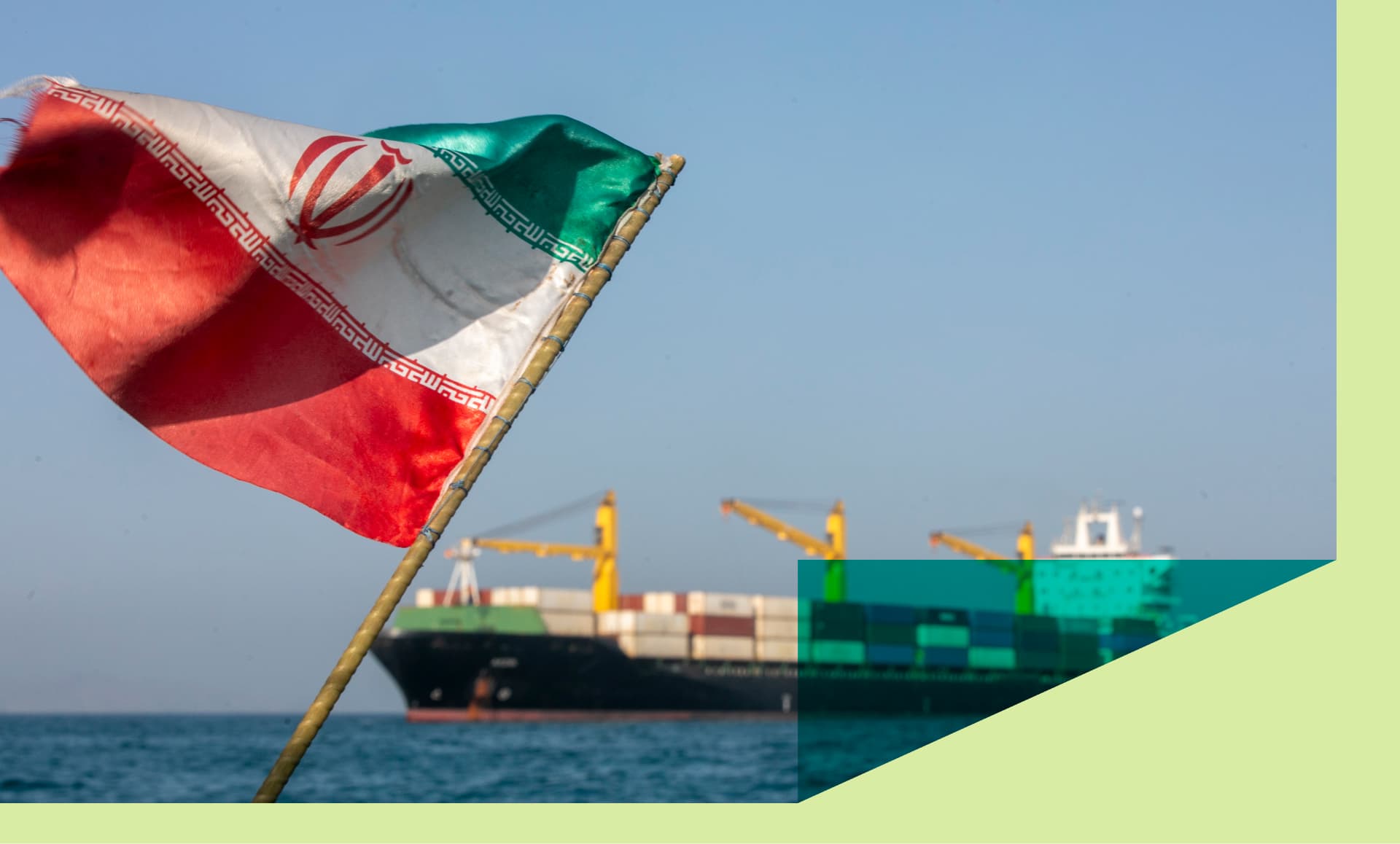
What's going on: The US and Iran say they’ve reached a deal, a major step on the road to end the war in Iran. Officials made conflicting statements about terms and haven't publicly released the text, but say the agreement has two major tenets. First, a 60-day ceasefire to end attacks. Second, the Strait of Hormuz will (finally) reopen.
Is it a done deal?: Not exactly. After months of reversals and brinkmanship, analysts warn that plenty could still go wrong. But a signing ceremony is set to take place Friday. Then more negotiations can begin, including on two of the biggest sticking points: American sanctions on Iran and limits on Tehran’s nuclear program. In other words, they saved a few of the hardest conversations for later. It's also unknown how the plan addresses Israel and Hezbollah's ongoing conflict. Iran has said the agreement calls for the end of military operations in Lebanon, but Prime Minister Benjamin Netanyahu said Israeli forces would remain there, seeming to distance himself from the deal.
What does this mean for prices?: Vice President JD Vance told CNBC the Strait will be opened “in a toll-free way for the long term,” though Iran’s foreign minister says the deal will allow the country to charge maritime service fees. Oil prices fell immediately when the news broke, and analysts say the drop should continue once traffic through the shipping lane ramps back up. However, customers likely won’t feel meaningful relief right away, due to the economic domino effects still in motion. It could be months before costs begin to normalize. Economic recovery is not just about opening the waterway, but repairing damaged infrastructure and rebuilding inventories. So don’t abandon your carpool just yet.
Related: Inflation Hits Especially Hard for This Specific Group of Women (The 19th)
KNOW IT ALL
In his new book, VP JD Vance called this “one of the dumbest things” he ever said…


Ease into your day with Typeshift, the word-building game. Start playing.
Iran War
We Have a Framework, People
What's going on: The US and Iran say they’ve reached a deal, a major step on the road to end the war in Iran. Officials made conflicting statements about terms and haven't publicly released the text, but say the agreement has two major tenets. First, a 60-day ceasefire to end attacks. Second, the Strait of Hormuz will (finally) reopen.
Is it a done deal?: Not exactly. After months of reversals and brinkmanship, analysts warn that plenty could still go wrong. But a signing ceremony is set to take place Friday. Then more negotiations can begin, including on two of the biggest sticking points: American sanctions on Iran and limits on Tehran’s nuclear program. In other words, they saved a few of the hardest conversations for later. It's also unknown how the plan addresses Israel and Hezbollah's ongoing conflict. Iran has said the agreement calls for the end of military operations in Lebanon, but Prime Minister Benjamin Netanyahu said Israeli forces would remain there, seeming to distance himself from the deal.
What does this mean for prices?: Vice President JD Vance told CNBC the Strait will be opened “in a toll-free way for the long term,” though Iran’s foreign minister says the deal will allow the country to charge maritime service fees. Oil prices fell immediately when the news broke, and analysts say the drop should continue once traffic through the shipping lane ramps back up. However, customers likely won’t feel meaningful relief right away, due to the economic domino effects still in motion. It could be months before costs begin to normalize. Economic recovery is not just about opening the waterway, but repairing damaged infrastructure and rebuilding inventories. So don’t abandon your carpool just yet.
Related: Inflation Hits Especially Hard for This Specific Group of Women (The 19th)
KNOW IT ALL
In his new book, VP JD Vance called this “one of the dumbest things” he ever said…
Live Smarter
Sign up for the Daily Skimm email newsletter. Delivered to your inbox every morning and prepares you for your day in minutes.