well aware
Cholesterol Is Playing the Long Game

If your bloodwork typically comes back normal, cholesterol can feel like a “worry about it later” thing. But your arteries may have other plans. Plaque often starts to build up decades before heart problems appear, which helps explain new guidelines from the American Heart Association and American College of Cardiology. They recommend cholesterol tests begin at age 19, with certain adults potentially eligible for treatment as young as 30. The goal is to catch problems before they get bigger.
Wait, remind me what cholesterol does? Your liver makes cholesterol to support cellular health and produce hormones like estrogen and testosterone. But excess LDL (the “bad” kind) contributes to the formation of fatty deposits in your arteries. HDL (the “good” kind) acts as a cleanup crew that hauls extra cholesterol back to your liver. You also have triglycerides, your body's leftover-calorie storage system. Elevated levels raise your heart disease risk.
For Your Sanity:
Know what you're up against. Hereditary factors influence cholesterol levels, regardless of your lifestyle. No amount of kale will completely outrun your genetics.
Look at patterns. While diet and exercise help manage cholesterol, persistently high or borderline numbers warrant a conversation with your doctor about options, like medication.
Get a second opinion on your plate. Seemingly good-for-you lifestyle changes, such as a low-carb diet, have been known to send cholesterol levels soaring in certain people. A registered dietitian can help you create a personalized plan.
Brain Trust
I think I’m in perimenopause. Should I get a DXA (aka DEXA) scan?
FEATURED EXPERT:

Vonda Wright, MD
"Talk with your doctor. [If your baseline is already low,] your 40s are when there’s time to intervene to build better bones. If you’ve taken steroids for asthma or for a medical problem long-term, or if you have a history of smoking or an eating disorder, it might be worth a conversation. DEXA scans aren’t always covered by insurance before 65 and may run around $150. I jokingly tell my patients to refuse the next toaster or vacuum your family’s going to buy you for the holidays and ask for a DEXA.”
PS: Here’s your step-by-step of what actually happens at a DEXA scan.
Well Reviewed
Don't Flake
Winter lip care starts with a balm in every bag. From drugstore staples to luxe formulas, keep one close to ward off dryness and chapping.
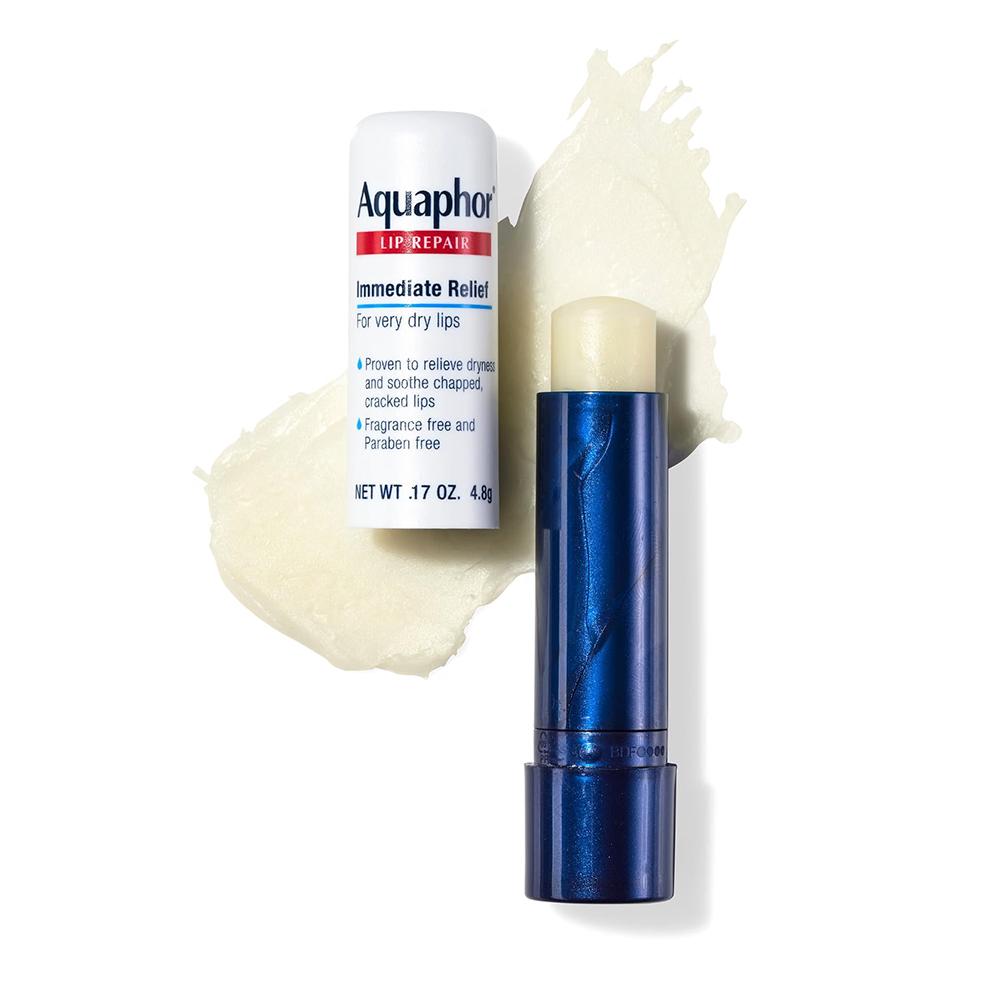
Aquaphor
Aquaphor Lip Repair is the best drugstore option

Violette_FR
Violette_FR Bisou Balm is the best tinted option.
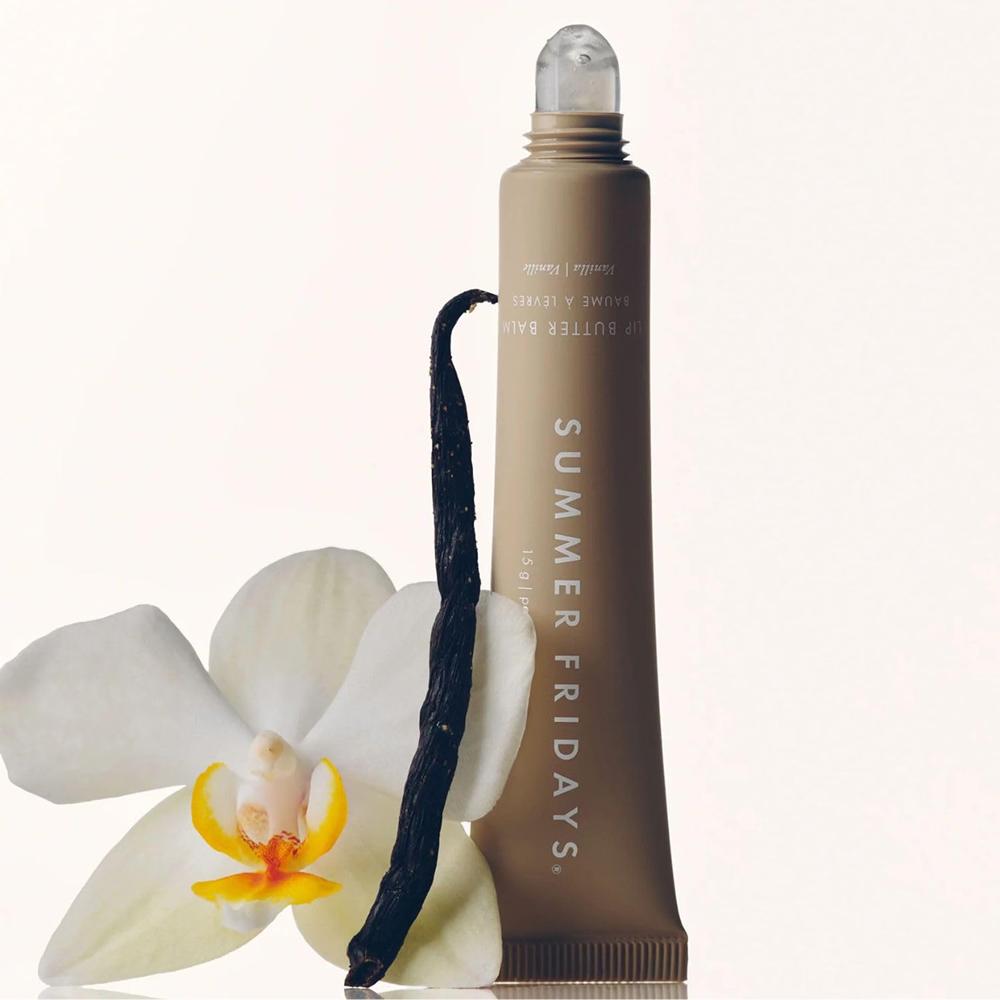
Summer Fridays
Summer Fridays Lip Butter Balm is the best lip butter option.
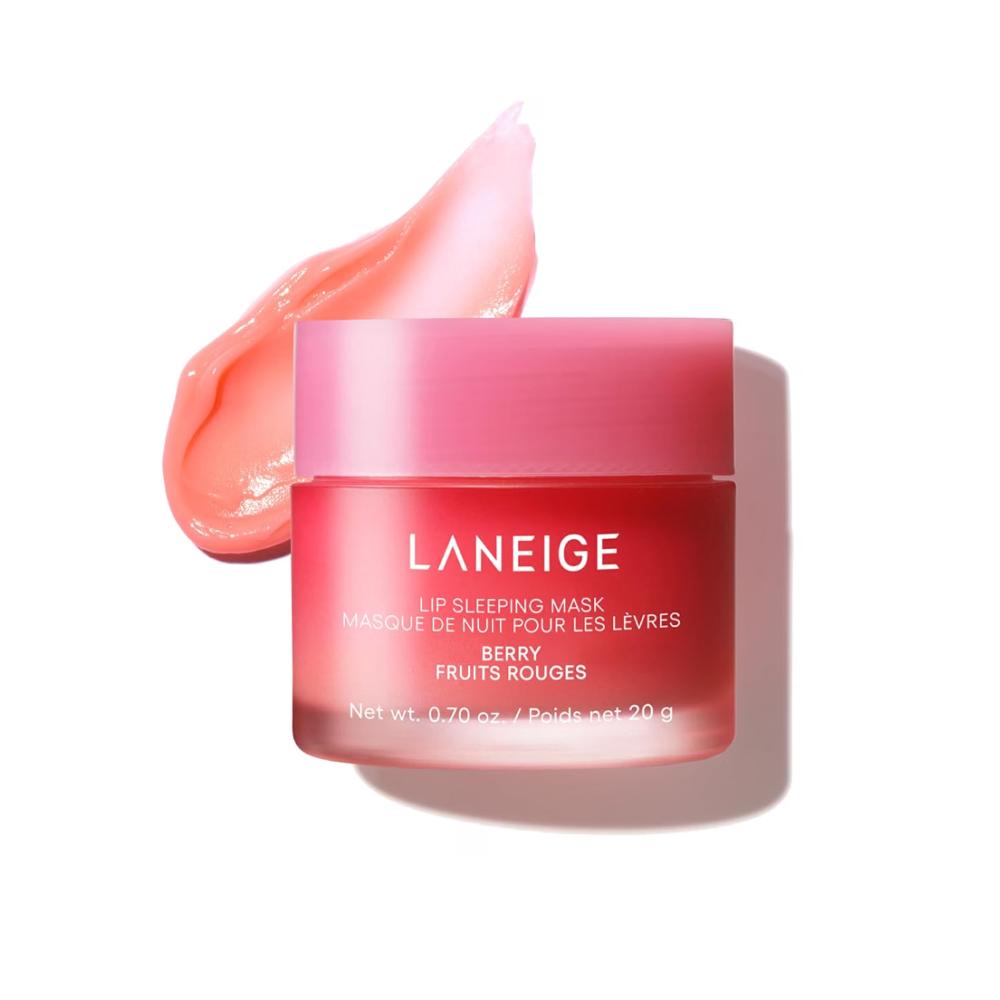
Laneige
Laneige Lip Sleeping Mask is the best mask option.
Here’s the full list of the best lip balms, according to experts.
Well traveled
Your In-Flight Nap Needs a Wake-Up Call

Ever spent an entire flight (assuming you made it off the tarmac) desperate to fall asleep? Here's some counterintuitive advice: Stop trying. I still remember a trip from Dublin to Edinburgh when I sat down, promptly passed out, and woke up an hour later at my destination. It’s the closest I've ever come to time travel, and I've spent years trying to repeat the trick. One board-certified neurologist and sleep medicine specialist says the pressure to doze off works against you. So perhaps it's time for a new approach.
Don't force it. You don't have to fall asleep to get some rest. Put on a relaxing playlist or podcast, close your eyes, and let that be enough. I swear by this travel “pillow pod” with a hood. Yes, it looks weird, but it works.
Get ahead of jet lag. If you're headed across time zones, flight attendants recommend apps like Timeshifter, which help you figure out when to sleep based on where you’re going. Think of it as a little advance work for your internal clock.
Skip the viral sleep hacks. That TikTok trick where passengers tuck their feet into their seatbelts? It poses safety risks and could violate airline rules. Instead, take a walk or stretch before you board to help your body relax.
Stress less
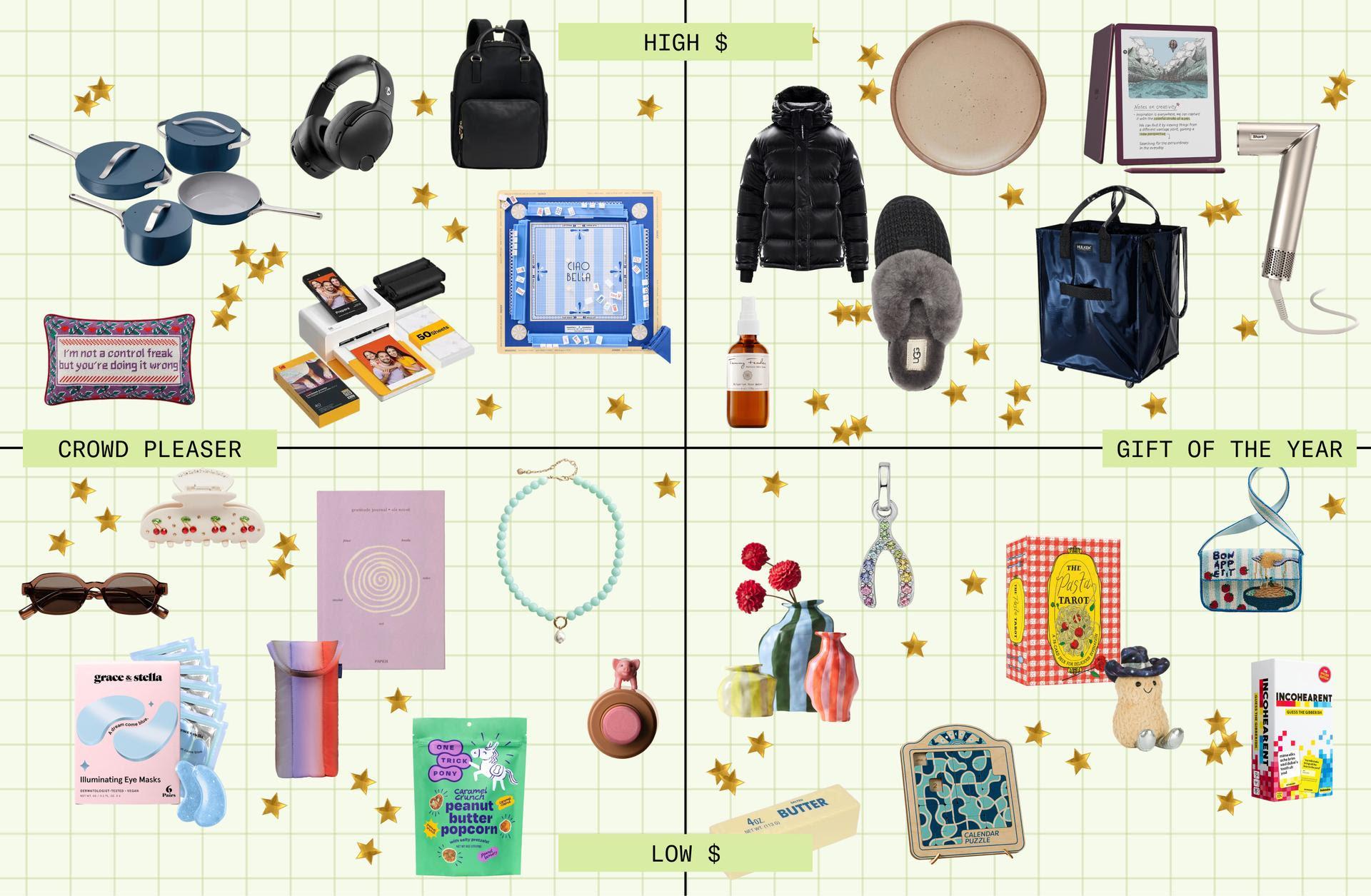
A Holiday Spending Plan That Makes Cents
You deserve a holiday season that’s as kind to your spirit as it is to your wallet. Our new Holiday Spending guide helps do just that. It comes with a free (yes, free) budget tracker that takes care of your gift math, including totaling up what your siblings owe you for that group gift. And if your friends floated a “fun” $200 gift exchange in the chat, our expert-written scripts help you say no and gently pivot that plan. Plus our shopping editors scoured the web for gift ideas that match your spending limit and patience level. Bah, humbug? Not here.
No Notes

well aware
Cholesterol Is Playing the Long Game
If your bloodwork typically comes back normal, cholesterol can feel like a “worry about it later” thing. But your arteries may have other plans. Plaque often starts to build up decades before heart problems appear, which helps explain new guidelines from the American Heart Association and American College of Cardiology. They recommend cholesterol tests begin at age 19, with certain adults potentially eligible for treatment as young as 30. The goal is to catch problems before they get bigger.
Wait, remind me what cholesterol does? Your liver makes cholesterol to support cellular health and produce hormones like estrogen and testosterone. But excess LDL (the “bad” kind) contributes to the formation of fatty deposits in your arteries. HDL (the “good” kind) acts as a cleanup crew that hauls extra cholesterol back to your liver. You also have triglycerides, your body's leftover-calorie storage system. Elevated levels raise your heart disease risk.
For Your Sanity:
Know what you're up against. Hereditary factors influence cholesterol levels, regardless of your lifestyle. No amount of kale will completely outrun your genetics.
Look at patterns. While diet and exercise help manage cholesterol, persistently high or borderline numbers warrant a conversation with your doctor about options, like medication.
Get a second opinion on your plate. Seemingly good-for-you lifestyle changes, such as a low-carb diet, have been known to send cholesterol levels soaring in certain people. A registered dietitian can help you create a personalized plan.
Brain Trust
I think I’m in perimenopause. Should I get a DXA (aka DEXA) scan?
FEATURED EXPERT:
Vonda Wright, MD
"Talk with your doctor. [If your baseline is already low,] your 40s are when there’s time to intervene to build better bones. If you’ve taken steroids for asthma or for a medical problem long-term, or if you have a history of smoking or an eating disorder, it might be worth a conversation. DEXA scans aren’t always covered by insurance before 65 and may run around $150. I jokingly tell my patients to refuse the next toaster or vacuum your family’s going to buy you for the holidays and ask for a DEXA.”
PS: Here’s your step-by-step of what actually happens at a DEXA scan.
Well traveled
Your In-Flight Nap Needs a Wake-Up Call
Ever spent an entire flight (assuming you made it off the tarmac) desperate to fall asleep? Here's some counterintuitive advice: Stop trying. I still remember a trip from Dublin to Edinburgh when I sat down, promptly passed out, and woke up an hour later at my destination. It’s the closest I've ever come to time travel, and I've spent years trying to repeat the trick. One board-certified neurologist and sleep medicine specialist says the pressure to doze off works against you. So perhaps it's time for a new approach.
Don't force it. You don't have to fall asleep to get some rest. Put on a relaxing playlist or podcast, close your eyes, and let that be enough. I swear by this travel “pillow pod” with a hood. Yes, it looks weird, but it works.
Get ahead of jet lag. If you're headed across time zones, flight attendants recommend apps like Timeshifter, which help you figure out when to sleep based on where you’re going. Think of it as a little advance work for your internal clock.
Skip the viral sleep hacks. That TikTok trick where passengers tuck their feet into their seatbelts? It poses safety risks and could violate airline rules. Instead, take a walk or stretch before you board to help your body relax.
Stress less
A Holiday Spending Plan That Makes Cents
You deserve a holiday season that’s as kind to your spirit as it is to your wallet. Our new Holiday Spending guide helps do just that. It comes with a free (yes, free) budget tracker that takes care of your gift math, including totaling up what your siblings owe you for that group gift. And if your friends floated a “fun” $200 gift exchange in the chat, our expert-written scripts help you say no and gently pivot that plan. Plus our shopping editors scoured the web for gift ideas that match your spending limit and patience level. Bah, humbug? Not here.
Live Smarter
Sign up for the Daily Skimm email newsletter. Delivered to your inbox every morning and prepares you for your day in minutes.