
Finding My Way Back to the Real World
I'm in Colorado, where it's hot, sunny, and theoretically the perfect place to not be on my phone. Instead, my screen-time report tells a different story.
Lately, I've become convinced my devices have sapped my attention span. A recent report on Gen Z's "brain rot" fears didn't exactly help. Technically, I’m an elder millennial, so not part of that cohort, but, as new surveys show, none of us are great at clocking how much we actually scroll. So I've declared a small, petty war on my thumbs. Here's the arsenal so far:
I caved and bought a new gadget to spend less time online. Spoiler: It works.
The hottest restaurant trend of 2026 might be a phone ban. Thanks to one old-school side effect, I’m on board.
My friends can't stop talking about this dance party that starts early, ends early, and somehow still feels cool.
Italians may have the perfect antidote to the after-dinner doomscroll.
And finally, kids count too. One expert's screen-free summer plan starts with a rule most parents skip.
— Anna “Don’t Text Me” Davies, writer

What's Making the Rounds
Doctors say this simple hand trick may point to a heart condition many people miss. We tried it immediately.
Before you buy another tub of collagen, see what the biggest study on the supplement found — some major claims hold up while others don’t.
Not to ruin summer, but “parasite season” is apparently a thing.
Think strength training is only about muscle? Research says your brain may disagree.
This roundup of foods dietitians say can stimulate hair growth is basically our new grocery list.
Normally, we only care about a banana's color when we make bread. Turns out, it affects the fruit's nutrition profile, not just taste.

Brush Up on Your Health
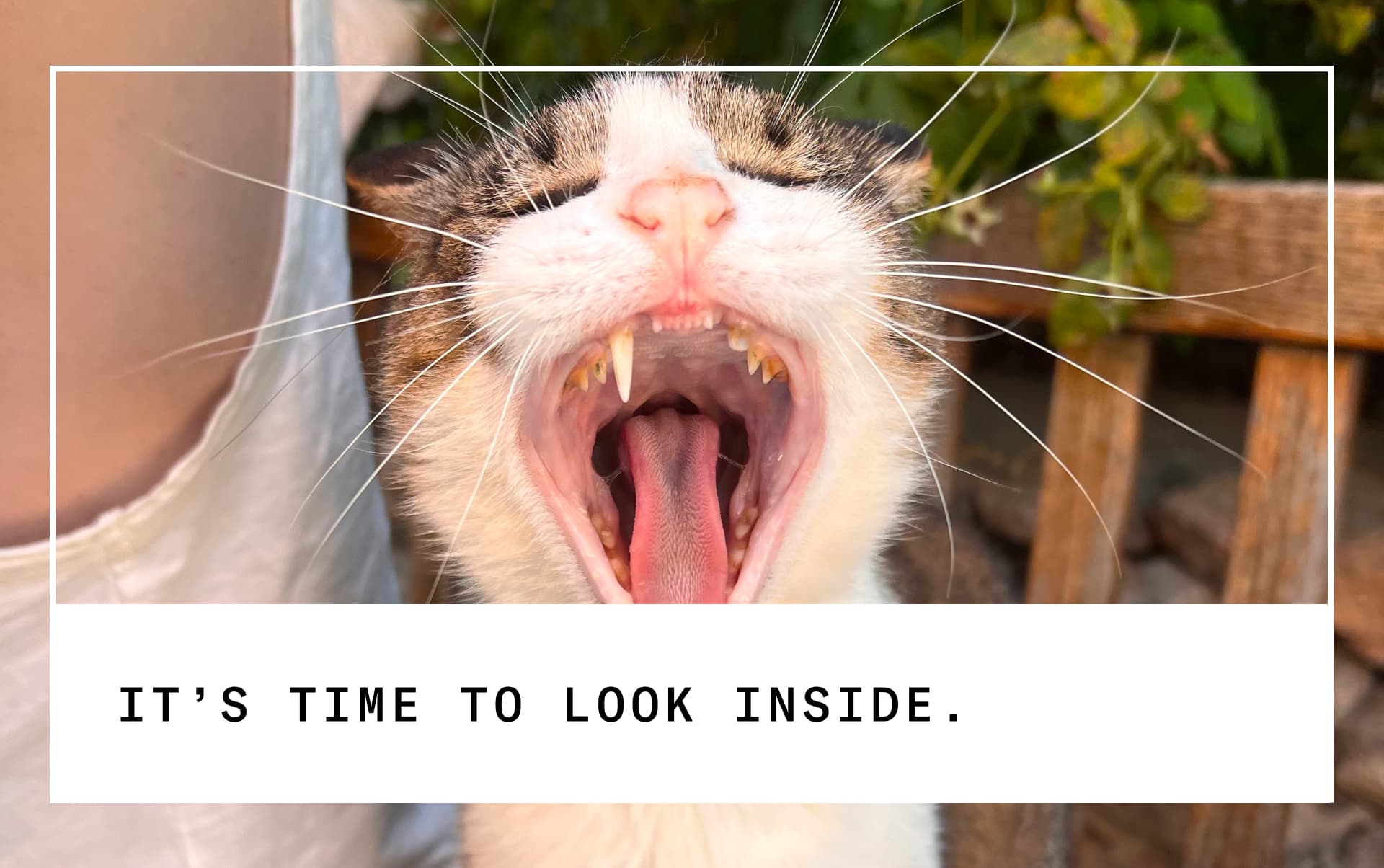
Here's a reason to keep that dentist appointment you've already rescheduled twice: Gum health isn't just about cavities and oral hygiene; it may influence your overall well-being in ways scientists only now understand, which makes it worth the floss guilt trip.
Studies have linked gum disease to everything from heart health to Alzheimer's to a newly identified fertility risk factor. The common thread? Chronic inflammation.
And while researchers still have plenty of questions, one thing seems clear: What happens in your mouth doesn't always stay there.
Scientists now see the oral microbiome as a potential key to chronic conditions like obesity and diabetes. Some even hope "oral bacteria transplants" could one day treat diseases like diabetes or COVID-19 (yes, really), though the idea remains unproven.
For Your Sanity:
Tell your dentist if you think you’re in perimenopause. Falling estrogen can affect your mouth, and one symptom has an unfortunate nickname.
Don’t ignore a gum disease diagnosis. If your dentist mentions gingivitis or periodontitis, take it seriously. Early treatment can make a big difference.
Upgrade your oral-care routine. A water flosser may help in ways string can’t, and newer research could change how you think about mouthwash.

Dinner Decoded

Over 50%
That’s the percentage of Americans who have a dietary restriction — like lactose intolerance, gluten allergies, or vegan diets. Yep, one in two…which can make meal planning a real hassle.
Lighten the mental load with Forkful, a meal delivery service that offers fresh options for a variety of diets, including gluten-free, low-carb, paleo, vegetarian, and more.
Whether you’re craving a gluten-free chicken burrito bowl, vegetarian paella, or low-carb beef lasagna, all their dishes feature fresh (never frozen) ingredients. Plus, they arrive at your door pre-portioned and ready to eat in two minutes.
Psst…here’s 50% off your first box. Dinner is served — however you want it.

B Right There
There are eight essential B vitamins, and you get most of them straight from your plate. B12 is the exception. Many adults don't consume or absorb enough, and that matters because the nutrient plays a big role in brain health.
New research suggests even "normal" levels may not tell the whole story, particularly with age. Some experts now wonder whether B12 contributes to cognitive decline more often than we realize.
And before you book a vitamin drip, know that the science doesn't quite match the hype.
If you're curious where you stand, a simple blood test can offer answers. And if your levels fall short, the fix may prove far less glamorous than an IV bag.

"I'm Determined It Will Be Different"
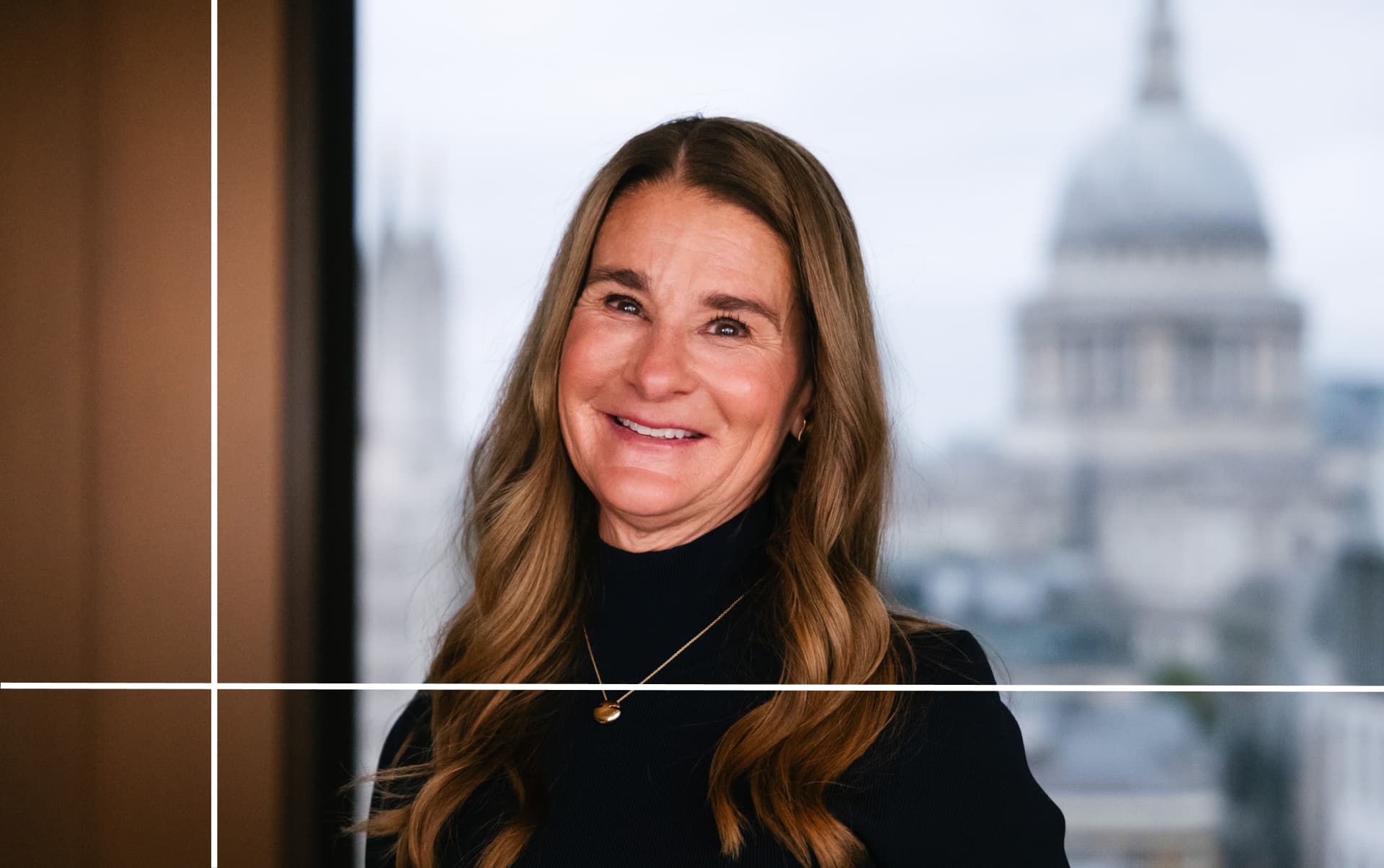
Melinda French Gates recently announced a new $215 million investment in women's health through Pivotal, her philanthropic organization. We spoke with her about menopause, midlife, and the work still ahead.
“I’ve gone through menopause, and many of my friends have, too, and I don’t think any of us had all the tools and knowledge we needed — even those of us with access to high-quality medical care. A lot of what I learned about menopause came not from doctors but from my friends.
I’m determined it will be different for the next generation of women. But until then, I think about what an OB-GYN and pain specialist I met recently told me. She said, “Words give something importance.” We all have to speak up with our practitioners. It’s not a guarantee we’ll get a solution, but it gives us a far better chance.”
So if your doctor asks if you have any questions, this is your reminder that yes, you do.
Read the whole interview here.

Cool It
Seasonal fashion trends come and go. A bra that helps keep you from overheating when it's 90 degrees and humid? That's forever. Consider one of these a summer must have.
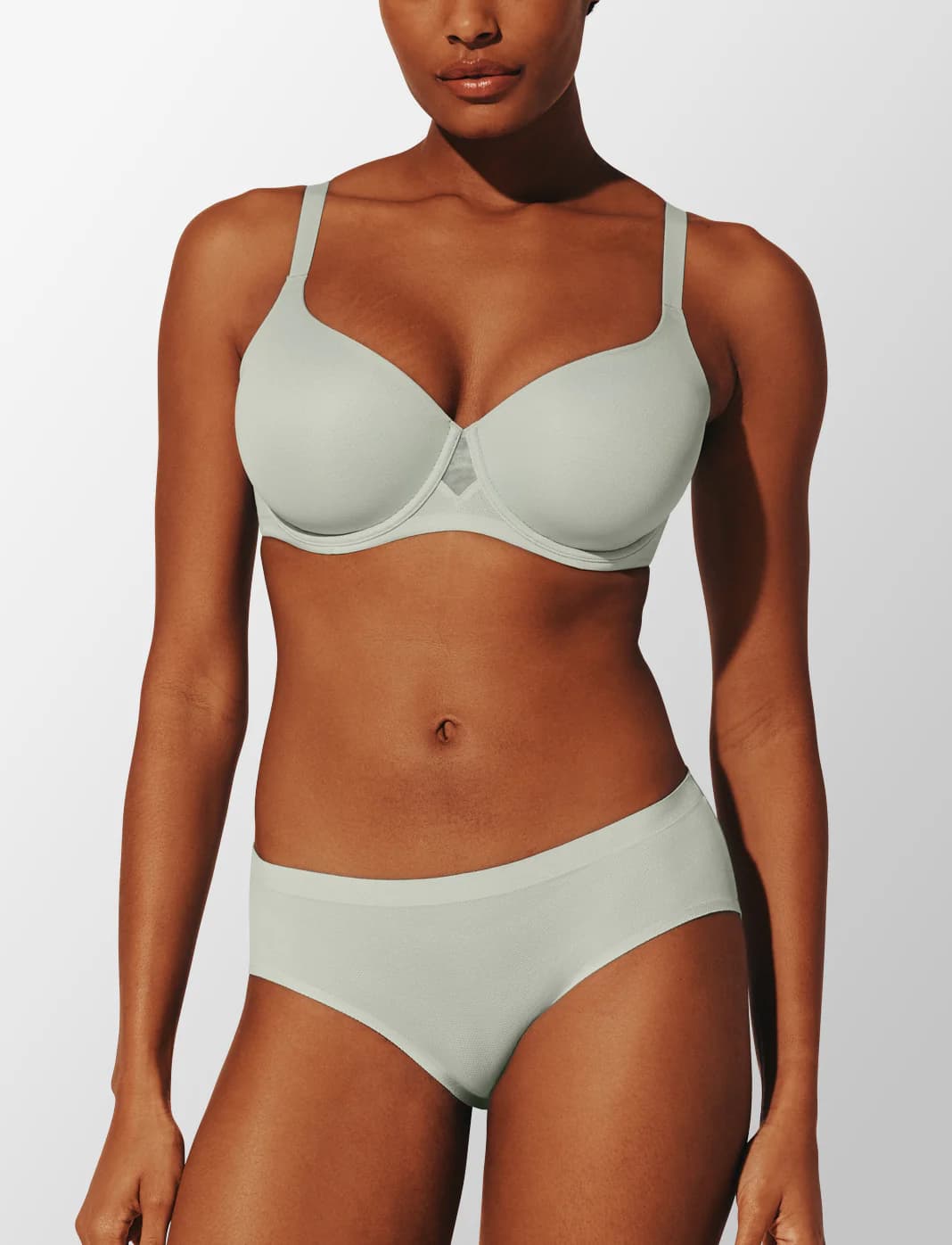
Thirdlove
Thirdlove TempSync T-Shirt Bra is the best T-shirt bra.
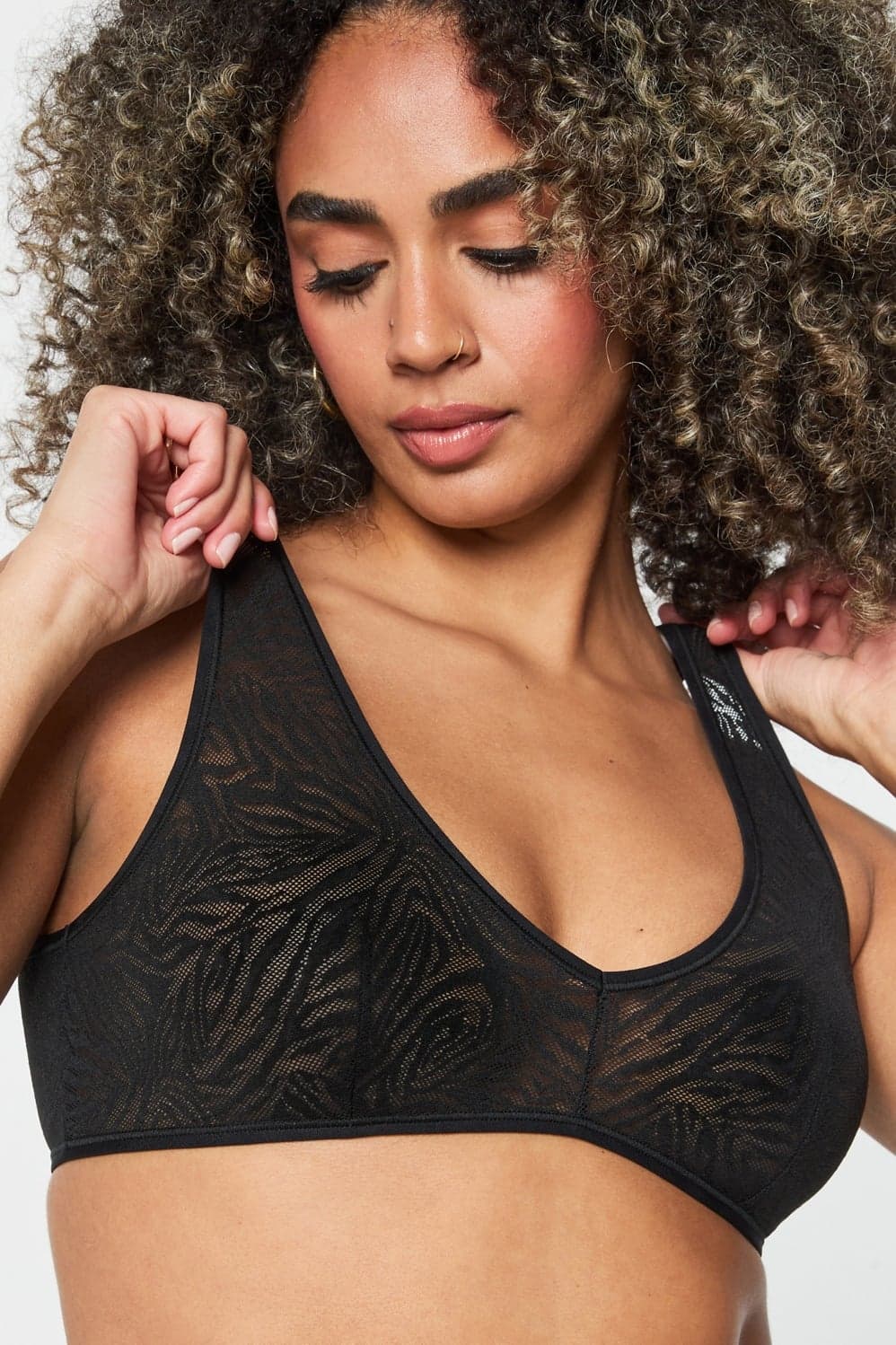
Fabletics
Fabletics Hot Mesh Plunge Bralette is the best plus-sized bra.
Halara
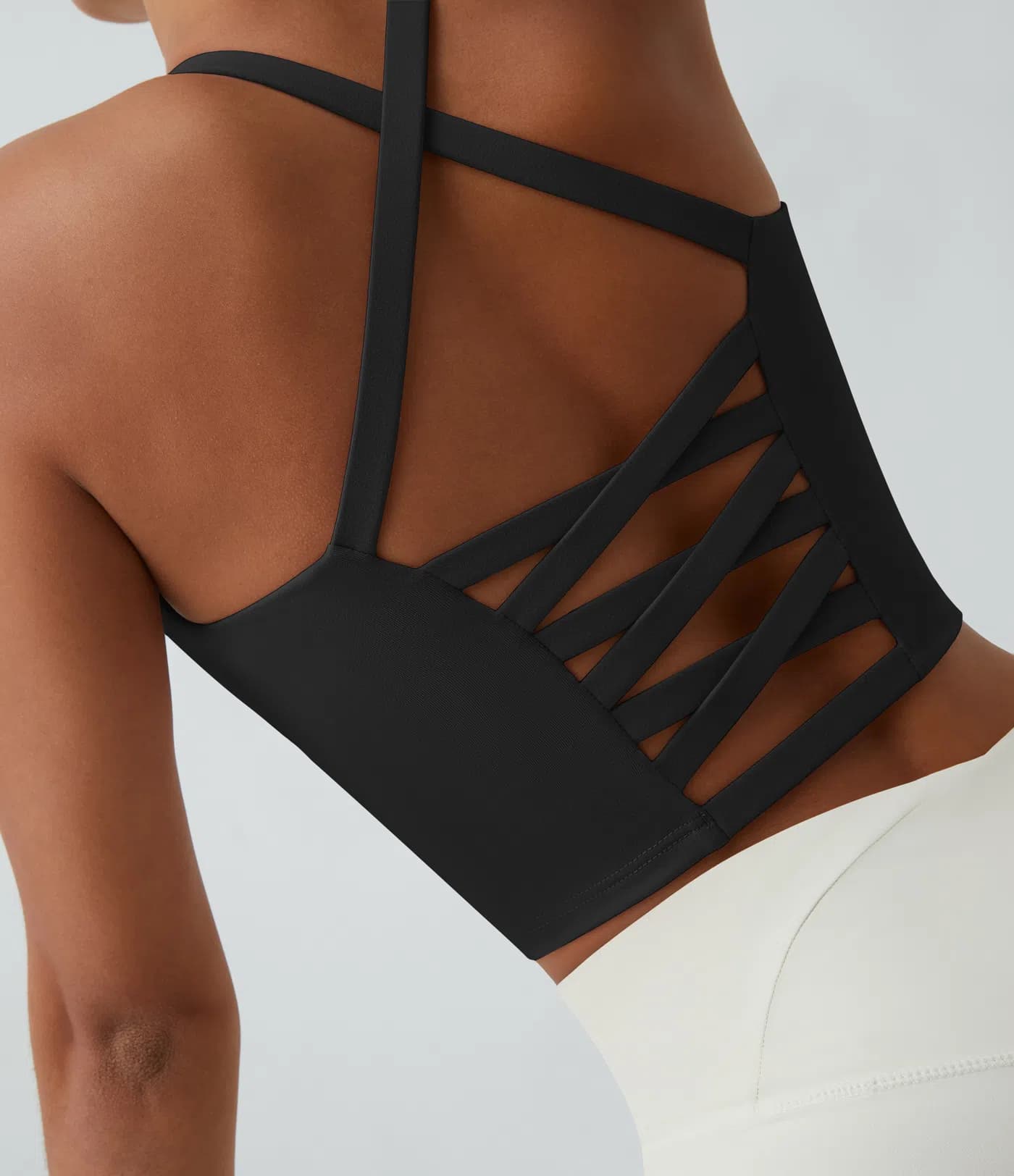
Halara Cropped Running Tank Top is the best cooling bra top.
Nike
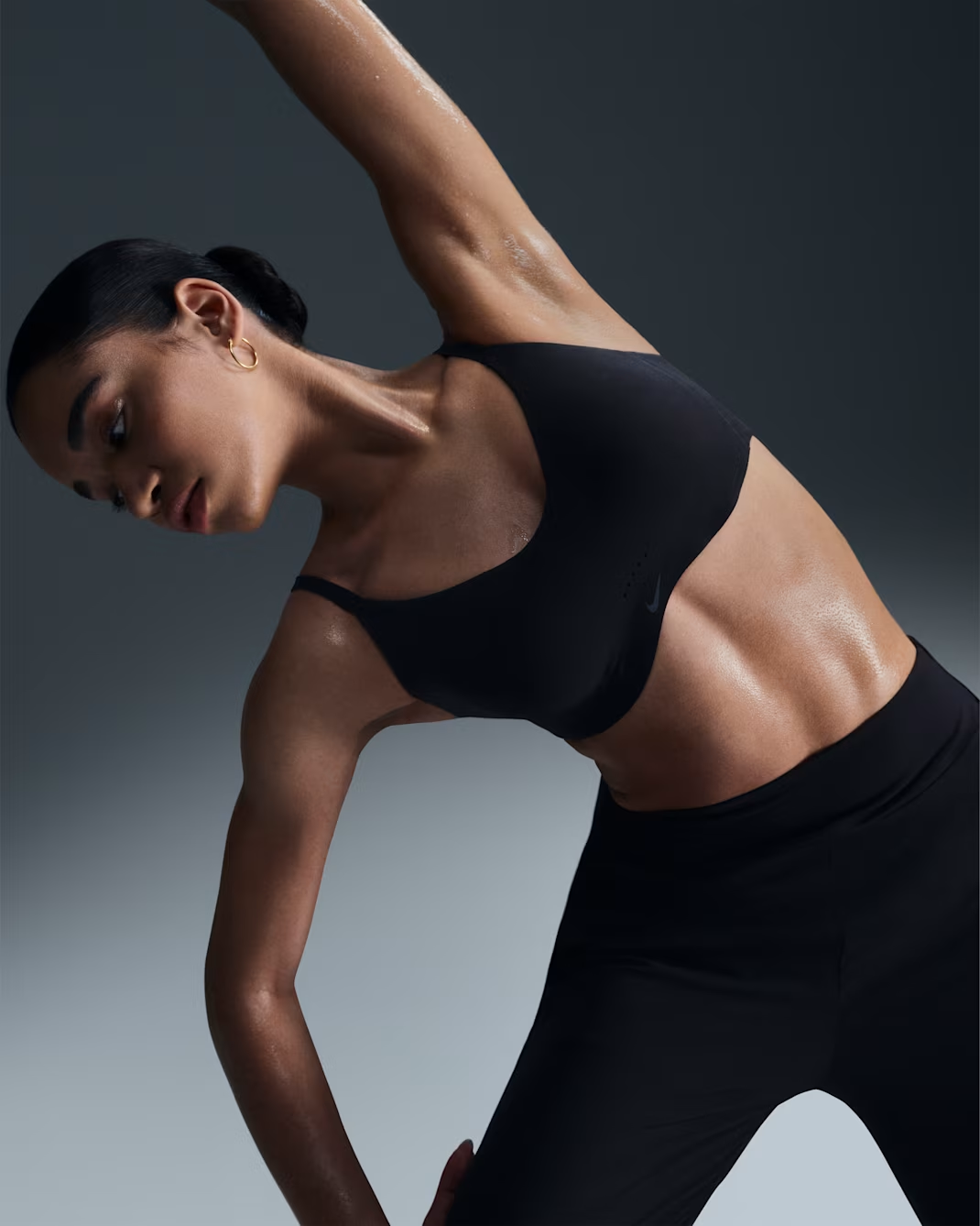
Nike Alate Minimalist is the best sweat-wicking bra.
Here’s the full list of the best cooling bras, according to experts

A New(ish) Approach to Breast Cancer Risk
The prevention shift: It’s been over a decade since Angelina Jolie had a prophylactic double mastectomy at 37. This was after she learned she had the BRCA1 mutation, which significantly increased her risk of breast cancer. At the time, she shattered a taboo. Now many women with BRCA genes opt for similar surgeries, knowing they could reduce the odds of developing cancer by up to 95%. One surgeon told The Wall Street Journal that close to 20% of his cases are now prophylactic. Other doctors say they see people make this choice at younger and younger ages. This comes as the rates of certain cancers are on the rise for folks under 50, with breast cancer rates in women under 45 climbing 1.1% every year for the decade leading up to 2022. Not exactly reassuring.
What’s behind the change: Genetic testing has become much more affordable, thanks in part to a Supreme Court decision that decided companies can’t patent human genes (yes, that was really a thing). Mastectomy and reconstructive technologies have also improved. Those changes, along with high-profile stories like Jolie’s, have led more people with BRCA mutations to choose bilateral risk-reducing mastectomies. However, doctors note that it’s not the only option. Some patients choose physical exams every six months, along with regular imaging, while others could opt for hormone therapy. Many prefer those less-invasive approaches, since mastectomies are major surgeries. Double mastectomies also eliminate the possibility of breastfeeding. Some experts worry social media increasingly pushes people toward one option over another. But in reality, the decision requires nuanced, individualized conversations with your doctors and genetic counselors.
PS: Every weekday, the Daily Skimm breaks down the headlines that impact your world. Get our unique take on what's going on — and what it means for you. Sign up here.

Finding My Way Back to the Real World
I'm in Colorado, where it's hot, sunny, and theoretically the perfect place to not be on my phone. Instead, my screen-time report tells a different story.
Lately, I've become convinced my devices have sapped my attention span. A recent report on Gen Z's "brain rot" fears didn't exactly help. Technically, I’m an elder millennial, so not part of that cohort, but, as new surveys show, none of us are great at clocking how much we actually scroll. So I've declared a small, petty war on my thumbs. Here's the arsenal so far:
I caved and bought a new gadget to spend less time online. Spoiler: It works.
The hottest restaurant trend of 2026 might be a phone ban. Thanks to one old-school side effect, I’m on board.
My friends can't stop talking about this dance party that starts early, ends early, and somehow still feels cool.
Italians may have the perfect antidote to the after-dinner doomscroll.
And finally, kids count too. One expert's screen-free summer plan starts with a rule most parents skip.
— Anna “Don’t Text Me” Davies, writer
What's Making the Rounds
Doctors say this simple hand trick may point to a heart condition many people miss. We tried it immediately.
Before you buy another tub of collagen, see what the biggest study on the supplement found — some major claims hold up while others don’t.
Not to ruin summer, but “parasite season” is apparently a thing.
Think strength training is only about muscle? Research says your brain may disagree.
This roundup of foods dietitians say can stimulate hair growth is basically our new grocery list.
Normally, we only care about a banana's color when we make bread. Turns out, it affects the fruit's nutrition profile, not just taste.
Brush Up on Your Health
Here's a reason to keep that dentist appointment you've already rescheduled twice: Gum health isn't just about cavities and oral hygiene; it may influence your overall well-being in ways scientists only now understand, which makes it worth the floss guilt trip.
Studies have linked gum disease to everything from heart health to Alzheimer's to a newly identified fertility risk factor. The common thread? Chronic inflammation.
And while researchers still have plenty of questions, one thing seems clear: What happens in your mouth doesn't always stay there.
Scientists now see the oral microbiome as a potential key to chronic conditions like obesity and diabetes. Some even hope "oral bacteria transplants" could one day treat diseases like diabetes or COVID-19 (yes, really), though the idea remains unproven.
For Your Sanity:
Tell your dentist if you think you’re in perimenopause. Falling estrogen can affect your mouth, and one symptom has an unfortunate nickname.
Don’t ignore a gum disease diagnosis. If your dentist mentions gingivitis or periodontitis, take it seriously. Early treatment can make a big difference.
Upgrade your oral-care routine. A water flosser may help in ways string can’t, and newer research could change how you think about mouthwash.
Live Smarter
Sign up for the Daily Skimm email newsletter. Delivered to your inbox every morning and prepares you for your day in minutes.